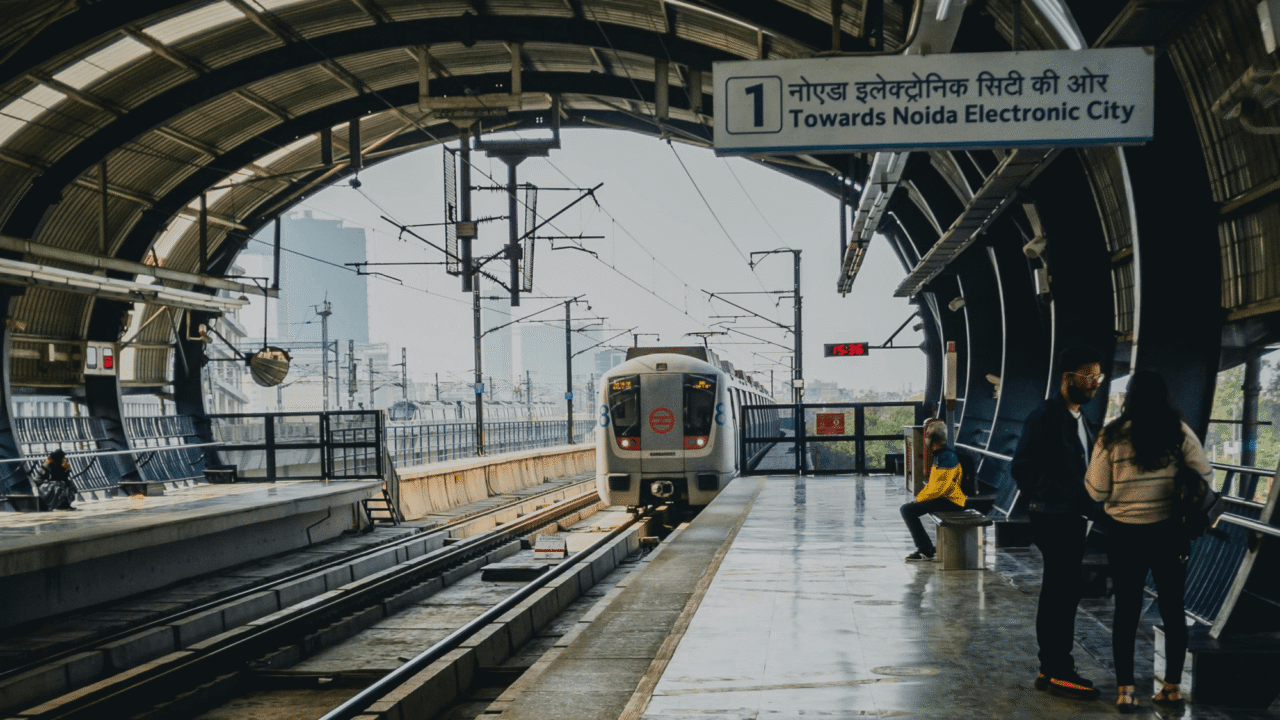
Noida’s metro network is headed for a major upgrade with the Noida Metro Rail Corporation (NMRC) formally listing three Aqua Line extension corridors as upcoming projects: Sector 51 to Knowledge Park V, Sector 142 to Botanical Garden, and Depot station to Boraki Multi Modal Transport Hub (MMTH). Together, these routes add over 31 km of planned metro connectivity and are designed to reduce pressure on key arterial roads while improving integration with the Delhi Metro and regional rail systems.
What NMRC’s official plan says
According to NMRC’s “Upcoming Projects” page and related tender documents, the first and largest corridor extends the existing Aqua Line from Sector 51 in Noida to Knowledge Park V in Greater Noida, a roughly 17.4 km elevated stretch with 11 stations. This route is planned to serve residents and commuters along major roads between Noida and Greater Noida, especially those in Greater Noida West and the Knowledge Park institutional belt who currently depend mainly on road-based transport.
To see NMRC’s official page for this and the other extensions, click here
The second corridor connects Sector 142 station on the Aqua Line to Botanical Garden, covering about 11.56 km with 8 elevated stations as described in official planning and tender notes. Botanical Garden is planned as a major interchange where NMRC’s Aqua Line will link with Delhi Metro’s Blue and Magenta lines, significantly improving access from Noida Expressway office clusters to central and south Delhi.
The third, shorter extension runs from the Greater Noida depot station to Boraki MMTH, spanning about 2.6 km with 2 elevated stations in line with NMRC’s detailed design and contract documents. At Boraki, the metro is intended to connect with Indian Railways and bus facilities in a planned multi-modal hub, creating an important node for regional and long-distance travel from Noida and Greater Noida.
Why these three corridors matter for commuters
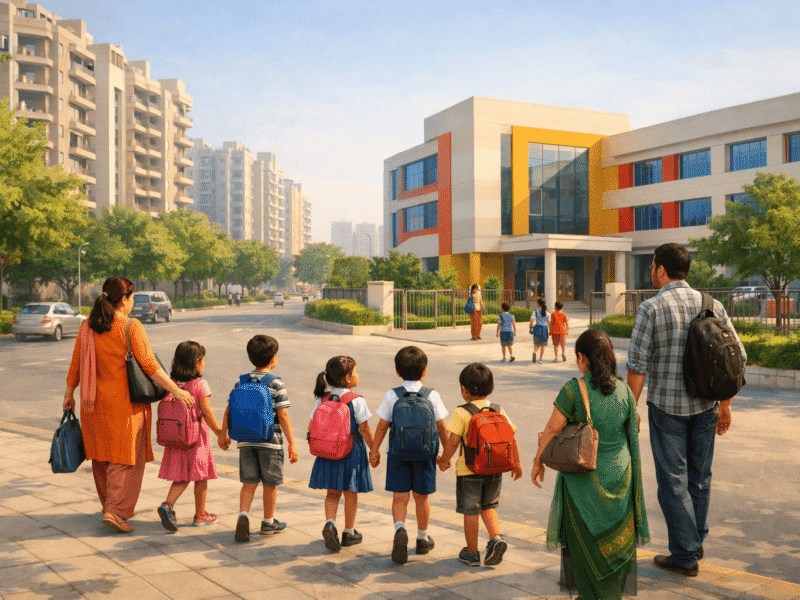
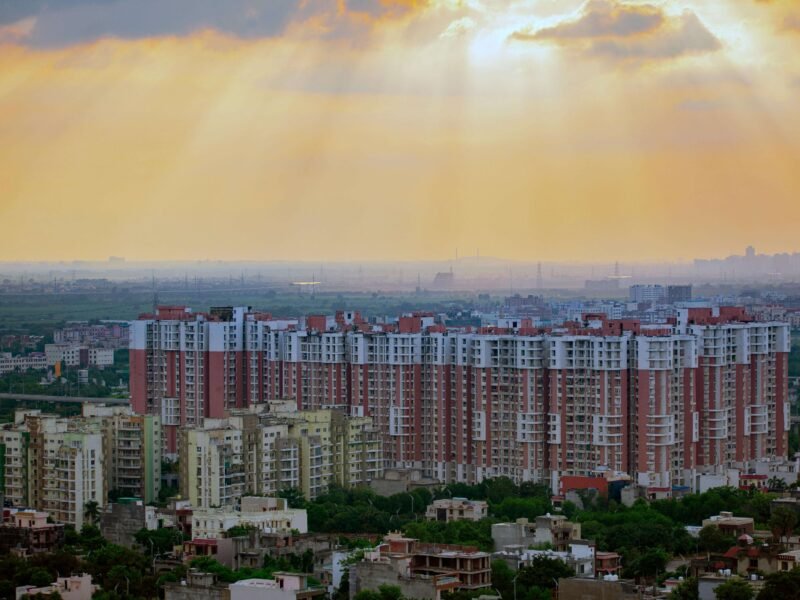
The Sector 51 to Knowledge Park V corridor focuses on fast-growing residential and institutional pockets in Greater Noida West and Knowledge Park, where large volumes of daily traffic currently strain existing roads. By bringing multiple metro stations closer to dense neighbourhoods and campuses, the extension is expected to reduce travel times, encourage a shift from private vehicles to mass transit and support more predictable commuting patterns.
The Sector 142 to Botanical Garden corridor directly links Noida Expressway business districts and nearby housing sectors with the wider Delhi Metro network. This connection is intended to increase high-quality public transport options for people travelling between Noida, Greater Noida and Delhi and to simplify journeys that currently require multiple interchanges.
The Depot to Boraki MMTH link supports a broader multi-modal vision for the region. By providing a metro connection to a hub that will combine rail and bus services, the corridor is designed to make transfers between urban metro, regional rail and road-based services easier and more efficient.
Economic and planning perspective
The three corridors align with the Integrated Comprehensive Mobility Plan (ICMP) for Noida and Greater Noida, which prioritises high-capacity public transport along key growth corridors. The ICMP stresses linking residential, commercial and institutional areas with metro and other mass transit systems to manage congestion and support sustainable city expansion.
From a planning standpoint, creating multiple interchange points between NMRC lines, Delhi Metro and regional rail is a central objective. Extensions towards Knowledge Park V, Botanical Garden and Boraki help move the network towards this goal, allowing passenger loads to be spread across several corridors instead of concentrating demand on a few routes.
Sources