Sector 125 in Noida is witnessing a green revolution led by students of prominent universities. Motivated by climate concerns and campus pride, youth groups from Amity, JIIT, and other local institutions have initiated sustainability projects that go beyond classroom theory.
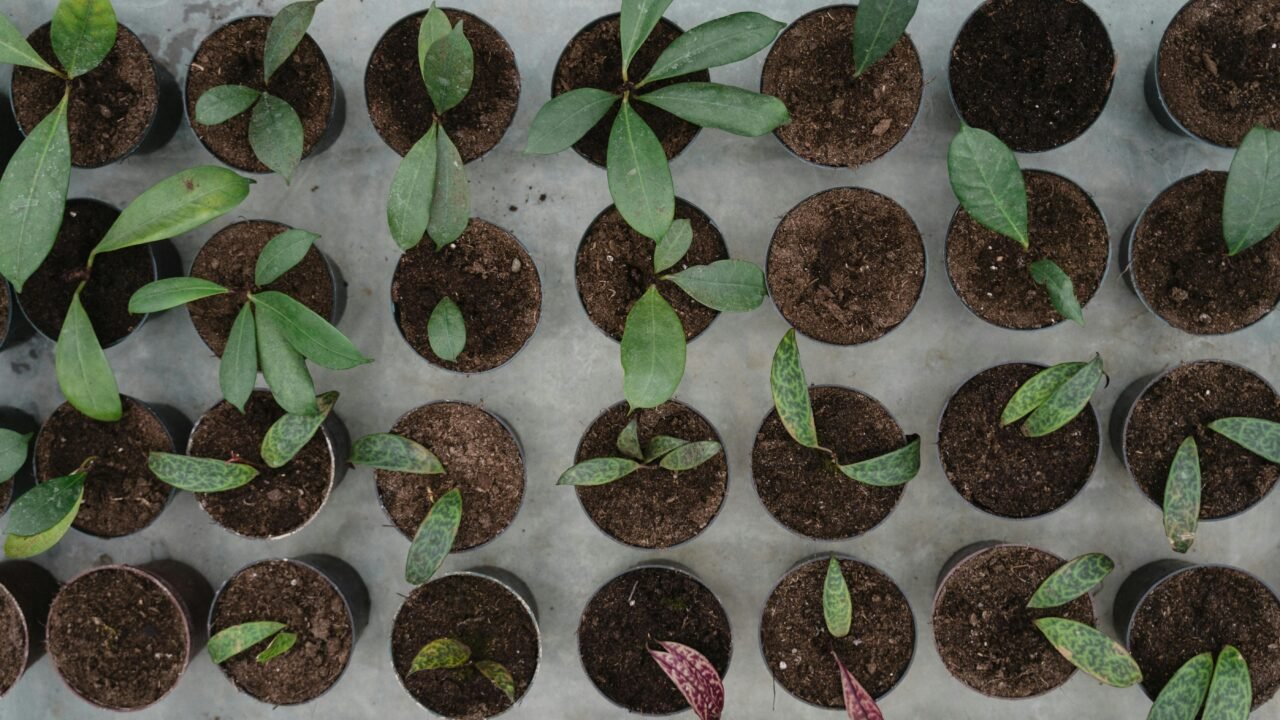
By creating rooftop gardens and community compost pits, student teams are turning everyday food waste into valuable fertilizer for campus horticulture. These efforts have not only reduced the environmental footprint, but also provided fresh learning experiences and collaborative leadership opportunities.
Weekly recycling drives and eco-awareness events—often organized through social media groups—have drawn hundreds of volunteers. The visible results include cleaner campus grounds, more shade providing plants, and enthusiastic participation in “Grow Local” workshops. As more students adopt sustainable habits, faculty and administration have begun supporting larger-scale composting and rainwater harvesting pilots.
Environmental experts point out that such grassroots youth initiatives are crucial for the future of urban sustainability. The Ministry of Environment, Forest and Climate Change (MoEFCC) urges colleges to follow “Green Campus” protocols, and Sector 125’s student communities now serve as a role model for other cities researching successful campus greening strategies[MoEFCC Green Campus Guidelines, Swachh Bharat Toolkit].
The project leaders believe these small changes will build lifelong eco-responsibility among Noida’s youth. “Our green campus is our gift to the city,” says one organizer. “We hope more students everywhere will join us.”
Sources:
Curated from Pulse of Noida reporting. For context on urban youth sustainability drives and composting, see government green campus guidelines:
MoEFCC Green Campus, Swachh Bharat Campus Toolkit.