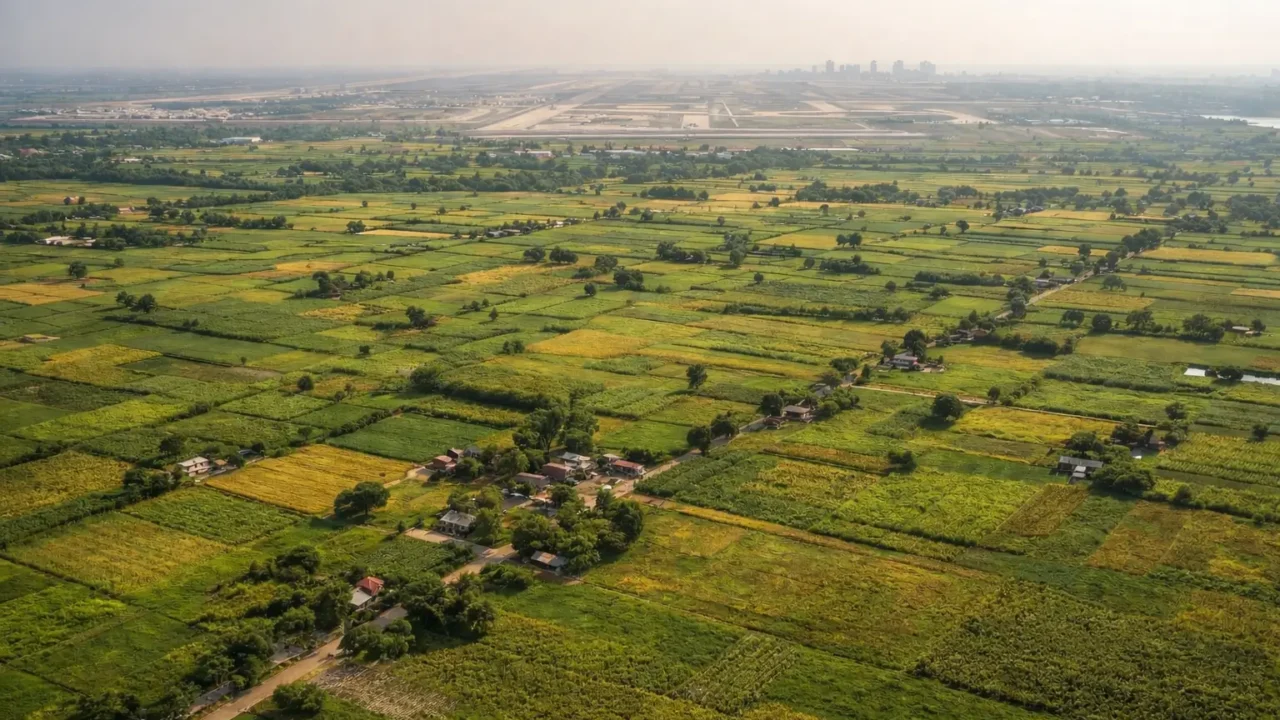
Noida Authority has set the land acquisition rate for New Noida, also known as the Dadri-Noida-Ghaziabad Investment Region or DNGIR, at Rs 4,300 per square metre. The new benchmark aligns New Noida with the revised YEIDA rate in the airport-area belt and removes one important rate-related hurdle for upcoming land acquisition in the project corridor.
For farmers and landowners, this is the most important part of the decision. It gives a clearer compensation benchmark in a project planned across about 209 sq km and more than 80 villages in Gautam Budh Nagar and Bulandshahr. Officials have indicated that consent collection from affected parties may begin within the next two to three weeks.
What this decision means first for farmers and landowners
The Rs 4,300 per sqm benchmark matters because it gives villagers in the New Noida belt a clearer reference point for compensation discussions. Noida Authority is moving through a mutual-consent route for the immediate process, with consent collection expected to begin shortly.
For landowners, the practical takeaway is simple: watch for official notices, verify village-level details, and do not rely on rumor-based rate claims. Compensation, consent timing, and documentation should be checked only through the Authority’s notices and local revenue channels.
Why matching YEIDA matters
Earlier airport-linked land acquisition phases used lower compensation benchmarks, including Rs 3,100 per sqm in a previous phase. By setting New Noida’s benchmark at Rs 4,300 per sqm, Noida Authority has brought the project closer to YEIDA’s latest standard in the wider airport-expressway growth belt. That reduces one potential source of disagreement over valuation in a region where multiple authorities and long-term development plans overlap.
For farmers and landowners, parity with YEIDA makes the benchmark easier to understand. For developers and investors, it reduces one layer of uncertainty in long-horizon costing around New Noida and the broader airport corridor. See how this connects to recent YEIDA Land Rate Hike 2026: New Property Prices Near Noida Airport.
What New Noida or DNGIR is
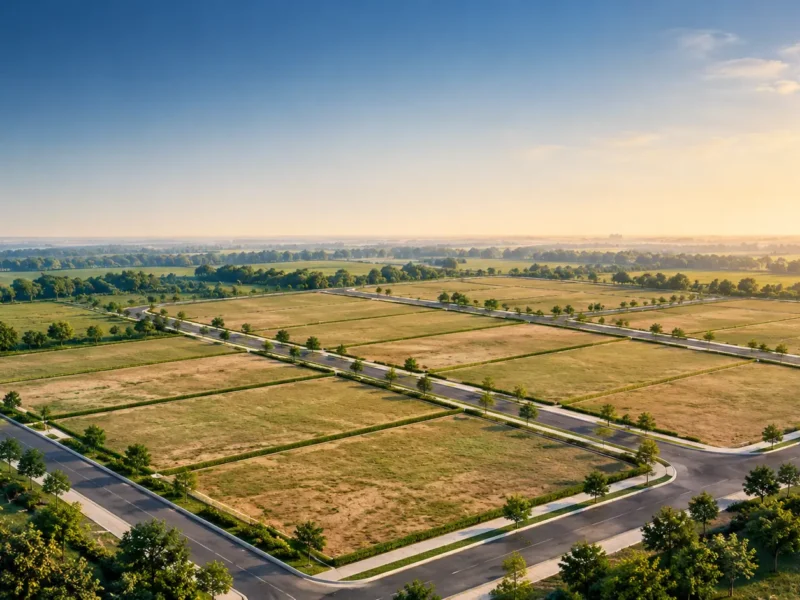
New Noida, or DNGIR, is planned as a large future urban and industrial expansion zone spread across roughly 209 sq km. UP Invest reference documents describe it across 80-plus villages, with land drawn from Gautam Budh Nagar and Bulandshahr.
This is not an immediate ready-to-move residential story. It is a long-horizon planning and land-development story tied to infrastructure, industry, logistics, and future urban expansion. That is why land-rate clarity matters now, even before most residents see visible on-ground build-out.
What changed and why now
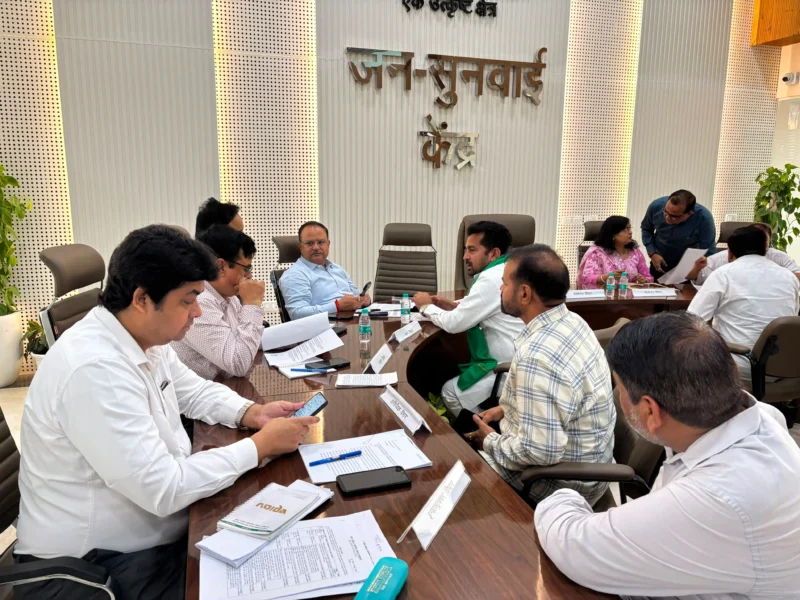
The current move supports upcoming land requirements in new parts of the DNGIR project. After years of planning, the rate decision gives the Authority a clearer base for beginning consent-led acquisition discussions. Reporting indicates that Noida Authority wants to move the process forward soon, with consent outreach expected in the coming weeks.
In practical terms, this means the story has shifted from only long-term planning to the early stages of execution. Like the recent Noida Lifts Sector 150 Sports City Registry Ban: What Buyers Must Know, Authority decisions are now clearing hurdles across multiple large-scale Noida projects.
Practical steps for affected residents
If your village or landholding falls in the New Noida belt, the safest next steps are:
- Check official Noida Authority notices for consent-related updates.
- Verify village coverage and records through local tehsil or revenue offices.
- Keep land documents and patwari or revenue entries updated.
- Avoid relying on unverified compensation claims circulating informally.
These steps match the project entering a more active consent stage.
What investors and developers should understand
For investors and developers, the Rs 4,300 benchmark makes project costing in the New Noida corridor slightly more predictable. But this should still be treated as a long-term development story, not a quick-turn residential scheme story. YEIDA is already running active airport-belt schemes and allocations, while New Noida remains earlier in the acquisition and development cycle.
DNGIR is more relevant today for land-watchers, future industrial positioning, and long-horizon corridor growth than for near-term end-user housing decisions. This broader growth context also ties into projects like the UP Cabinet Approves Metro University in Greater Noida: What It Means for Students, Families and Employability.
What Noida and Greater Noida residents should take away
Farmers and landowners now have a clearer compensation benchmark. Consent activity could begin soon. New Noida is moving one step closer to implementation. Investors should treat DNGIR as a long-term corridor story, not an immediate residential shortcut.
That makes this one of the more meaningful New Noida updates of 2026 for people directly affected by land, compensation, and future development in the region.
Official Links / Sources
Disclaimer: This story is based on currently available official documents, authority references, and recent public reporting. Timelines for consent collection, compensation processing, and project execution may change as fresh notices, approvals, or procedural updates are issued. Readers, especially affected farmers and landowners, should verify village-specific details, consent terms, and documentation requirements directly through Noida Authority, YEIDA, and local revenue offices before taking any decision. AI-generated representational image used for illustration.