Noida’s cleanliness efforts are increasingly visible in the way the city handles waste collection, sanitation, and public participation. While the larger framework comes from the Swachh Bharat Mission (Urban), the local story is really about how Noida is building systems that residents can see and use in everyday life.
The city’s performance in Swachh Survekshan has helped put that progress in focus. According to Hindustan Times’ report on the official survey results, Noida was ranked the cleanest city in Uttar Pradesh and 14th nationally in Swachh Survekshan 2023. The report also noted that Noida received five-star Water Plus certification, reflecting its broader sanitation and wastewater-related efforts.
What is helping Noida stay cleaner
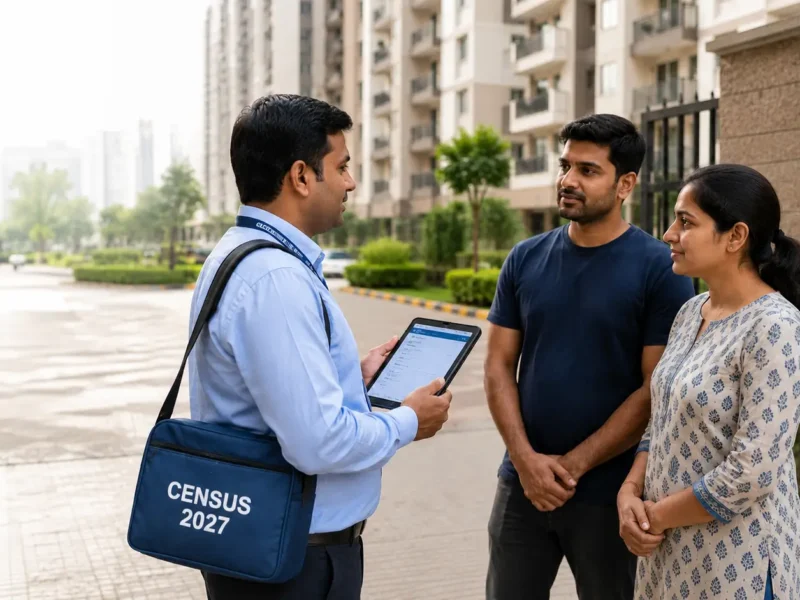
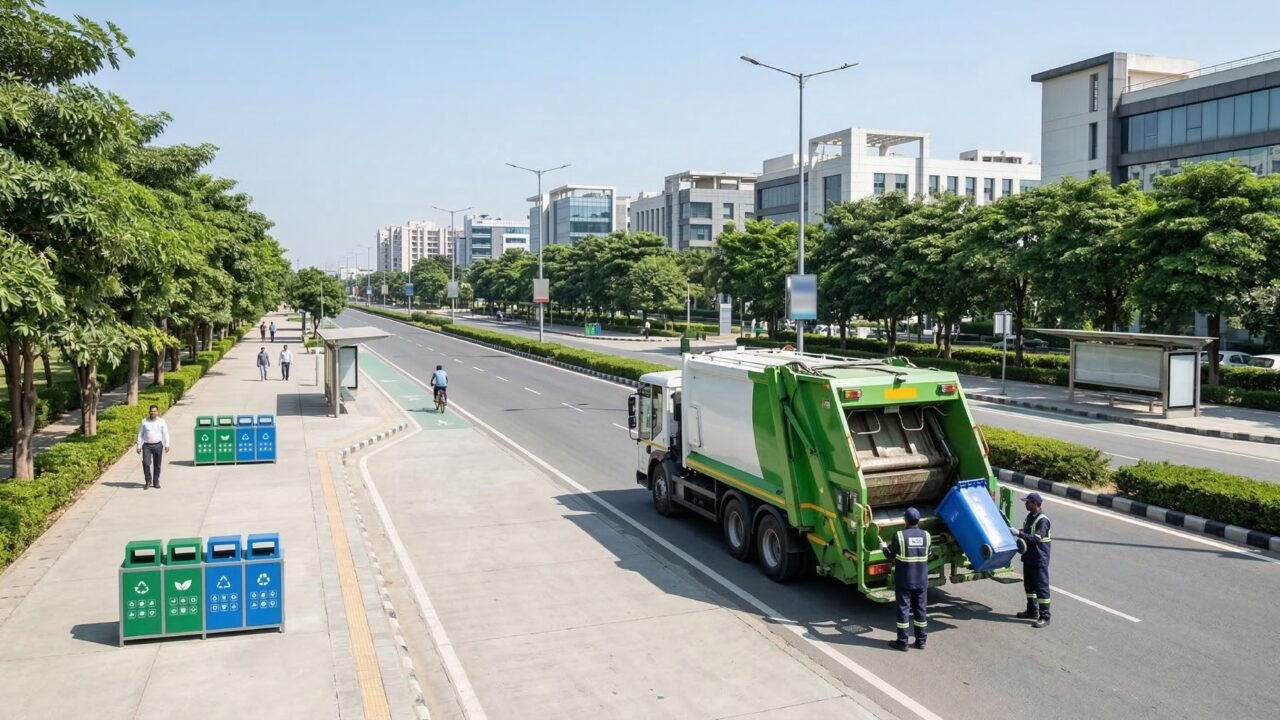
A major part of Noida’s waste-management effort is structured door-to-door collection. The system matters because it brings waste collection closer to residents instead of leaving cleanliness entirely dependent on roadside dumping points or irregular pick-up. This makes daily sanitation more visible and more accountable.
The Noida Authority has also publicly shared a dedicated helpline for residents facing problems with door-to-door waste collection. Through its official communication, the authority has encouraged citizens to report collection-related issues, which shows that civic participation is being built into the cleanliness system rather than treated as an afterthought.
Swachh Bharat and Noida’s local implementation
The broader policy backdrop is the Swachh Bharat Mission (Urban), under which city cleanliness, sanitation systems, and waste-management performance are assessed nationally through Swachh Survekshan. A PIB release on the Swachh Survekshan awards confirms the official framework through which such rankings and certifications are evaluated. For Noida, that national framework becomes meaningful only when it translates into practical local services.
That is where the city’s own waste-collection systems, sanitation infrastructure, and public complaint channels become important. They show how a national mission is experienced at the local level by citizens.
The role of civic partnerships
Noida’s waste-management effort also includes participation from institutional partners. HCL Foundation’s “My Clean City” initiative identifies Noida as one of its focus cities and describes work around source segregation, decentralised processing, awareness-building, and community engagement. This suggests that Noida’s cleanliness push is not limited to municipal collection alone, but also includes behaviour change and structured support systems around solid waste management.
Why this matters to residents
Waste management is not an abstract civic issue. It directly shapes the quality of daily life. Cleaner streets, better collection systems, functioning complaint channels, and stronger sanitation infrastructure affect how residents experience neighbourhoods, markets, and public spaces. They also influence public health and the overall civic image of the city.
Noida’s waste-management story is still evolving, but the available evidence shows a city trying to move beyond one-off clean-up messaging toward a more structured system of collection, sanitation, and public engagement. That is what makes the city’s Swachh Bharat-linked efforts worth understanding in practical terms.