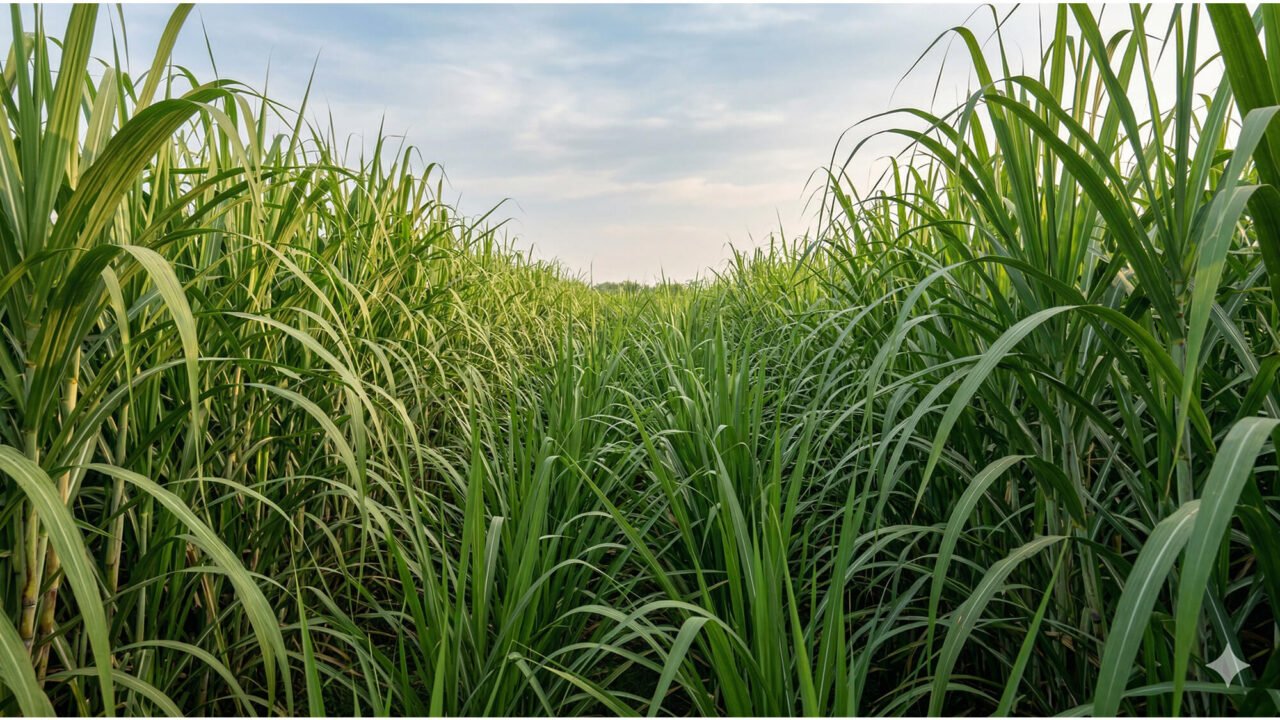
India’s push to blend more ethanol with petrol has opened a new income stream for sugarcane farmers in Western Uttar Pradesh while helping urban centres like Noida move towards cleaner fuel. As the central government targets nationwide E20 fuel, sugar mills and new biofuel projects in districts around Noida, such as Gautam Buddha Nagar, Bulandshahr and Meerut, are sourcing sugarcane, juice, molasses and bagasse from local farmers to produce ethanol for blending. This shift means that what once moved only to sugar, jaggery or khandsari units can now also flow into fuel, creating more buyers for the same crop.
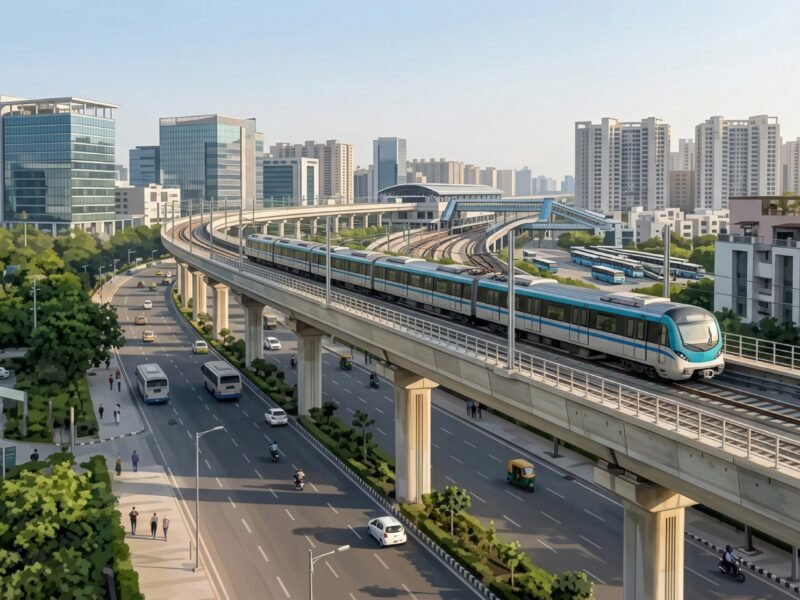
For Noida’s residents and commuters, the impact shows up at the fuel pump rather than in the fields. Petrol stations across the National Capital Region will increasingly supply E20 petrol, in which up to 20 percent of the fuel is ethanol made largely from crops grown in the surrounding rural belt. In effect, nearby villages become producers of clean-burning fuel, while a highly urbanized city like Noida becomes a major consumer and beneficiary through reduced emissions and lower crude oil dependence.
The Policy Shift: Removing the Caps
Policy changes have created the foundation for this opportunity. The Government of India has allowed mills and distilleries to produce ethanol freely from sugarcane juice, sugar syrup and all types of molasses during the 2025 to 2026 ethanol supply year, removing earlier quantity restrictions. The Department of Food and Public Distribution coordinates this with the Ministry of Petroleum and Natural Gas so that enough sugar remains available for households while extra cane can be diverted to fuel. For farmers, this means that when they harvest a good crop, more of it can be sold into ethanol without worrying that mills are capped by policy.
Officials have also clarified pricing mechanisms so that mills receive different administered prices for ethanol made from sugarcane juice, B-heavy molasses and C-heavy molasses. These differentiated prices aim to encourage mills to divert more cane and intermediate products away from surplus sugar and into ethanol. Over time, this should help balance the sugar market and reduce the problem of excess stocks that previously kept mill payments to farmers delayed.
The April 2026 E20 Mandate
At the same time, the petroleum ministry has mandated that from April 1, 2026, petrol sold across India will carry up to 20 percent ethanol, known as E20 fuel, with a minimum Research Octane Number of 95. For producers and sugarcane farmers in Western Uttar Pradesh, including those who supply mills near Noida and along the upper Ganga basin, this rule creates assured demand for ethanol in the years ahead.
Government and industry estimates indicate that India’s ethanol blending programme has already saved large amounts of foreign exchange that would otherwise have gone into crude oil imports. A significant share of the money spent on ethanol purchases flows directly to sugarcane and grain farmers, strengthening the rural economy and making income more resilient to swings in world sugar prices. As blending levels move towards the twenty percent mark, this flow of income is expected to become more stable and predictable.
Uttar Pradesh Takes the Lead in Biofuels
Uttar Pradesh has moved early to align with this national programme. The state government launched a campaign to set up multiple ethanol manufacturing projects, many of them linked to existing sugar mills that source cane from villages across Western and Central Uttar Pradesh. Reports from the sugar industry indicate that work on more than fifty ethanol projects is underway, with some plants designed to use sugarcane and others to use grains like rice and maize.
Almost every district of Uttar Pradesh except Bundelkhand produces sugarcane, so the potential reach of these projects is large. Mills in belts around Noida, such as Baghpat, Meerut, Hapur and Bulandshahr, receive cane from thousands of small and medium farmers. When these mills add distillery or ethanol units, they can crush more of the crop and convert surplus into fuel, rather than letting it pile up as unsold sugar.
From Farm Waste to Cleaner Air in Noida
New technology projects add another layer of opportunity. A proposed plant in Uttar Pradesh that uses bagasse, the fibrous residue left after extracting juice from sugarcane, plans to process around three hundred tonnes of this material per day under the central government’s PM JI-VAN Yojana, which supports advanced biofuels made from agricultural and industrial waste. Instead of burning bagasse or leaving it underused, the plant will convert it into ethanol and other bio-products, improving local air quality and turning farm waste into value.
Environmental benefits reinforce the economic case. Ethanol made from cane juice, molasses or bagasse burns cleaner than pure petrol, helping to cut greenhouse gas emissions and tailpipe pollutants. When distilleries and bio-refineries use residues like bagasse instead of burning them in the open, they reduce smoke and soot in rural skies, which ultimately contributes to better air quality in nearby cities such as Noida that already struggle with high particulate levels.
What This Means for the Rural Economy Around Noida
For farmers in the wider Western Uttar Pradesh belt that surrounds Noida, these changes translate into practical benefits. Earlier, a grower could sell cane mainly to the nearest sugar mill or a jaggery unit. Today, the same cane and its by-products can reach sugar, jaggery, ethanol and even advanced biofuel projects, creating multiple revenue channels. With more buyers competing for cane and bagasse, farmers gain better bargaining power and a higher chance of timely payment for their produce.
Central ministers have told Parliament that ethanol blending has delivered large savings to the national economy and that a major share of this money flows back to sugarcane farmers. For many households in Western Uttar Pradesh, this can mean more predictable cash flow, better capacity to invest in irrigation or improved seed, and less dependence on informal credit. When aligned with fair procurement and prompt payment by mills, ethanol policy can therefore act as a bridge between clean energy goals in urban centres like Noida and income security in the rural belt that feeds them.
Official Links:
- Ministry of Petroleum and Natural Gas – Ethanol Blending Programme: https://mopng.gov.in
- Department of Food and Public Distribution – Ethanol and Sugar Policy: https://dfpd.gov.in
- Press Information Bureau – Ethanol blending and farmer benefits releases: https://pib.gov.in
- Government of Uttar Pradesh Sugar Industry and Cane Development Department: https://upcane.gov.in
- PM JI-VAN Yojana details – Ministry of Petroleum and Natural Gas: https://mopng.gov.in/en/policies-and-programmes/biofuel