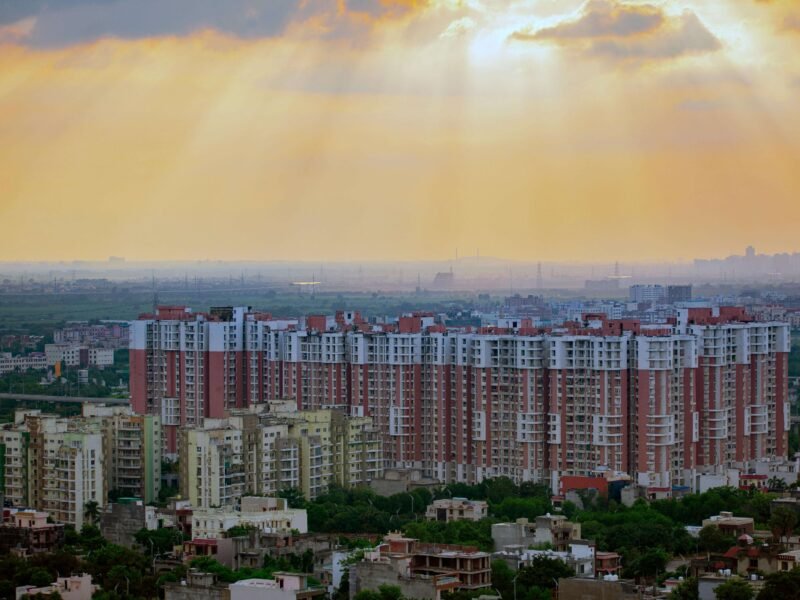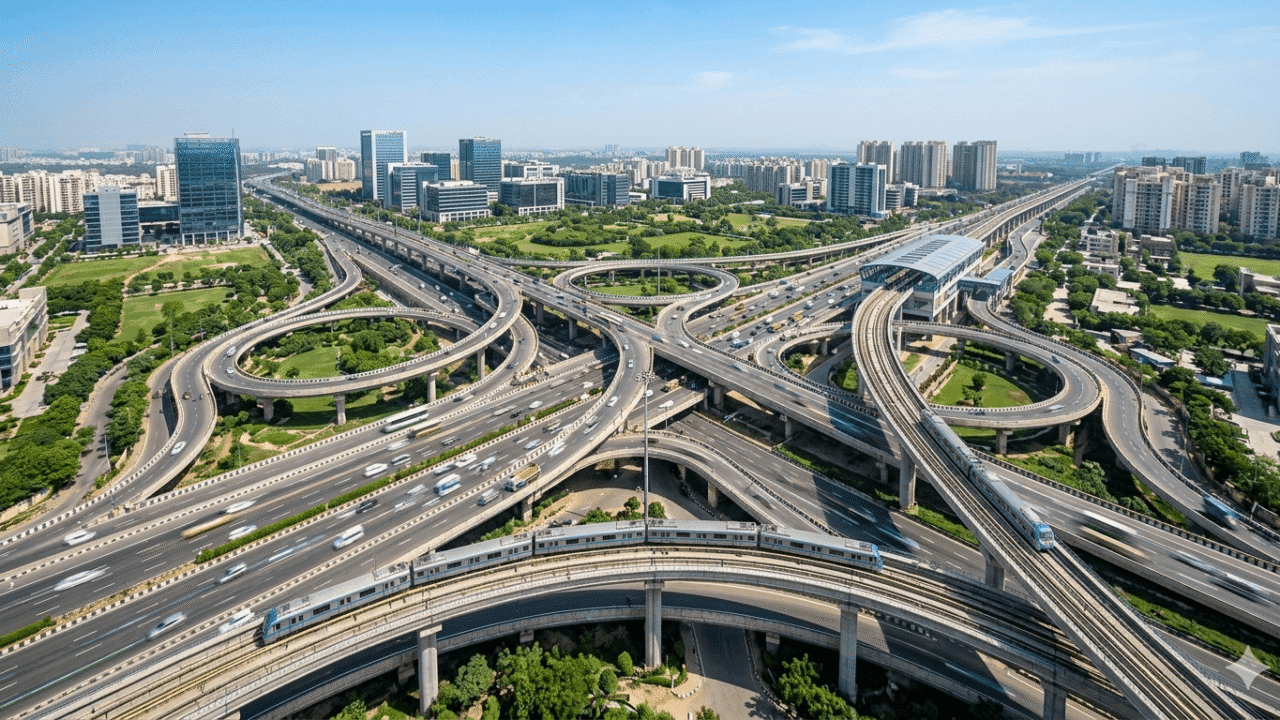
Noida, often celebrated for its planned urban landscape and burgeoning economy, is rapidly cementing its position as a pivotal regional gateway. Its strategic location within the National Capital Region (NCR) is now amplified by an ever-expanding network of expressways, a robust metro system, and the eagerly anticipated Noida International Airport at Jewar. For residents of Noida, this enhanced connectivity translates directly into a higher quality of life, offering unprecedented access to opportunities, reduced commute times, and seamless travel.
Unparalleled Road Network: The Lifeline of Noida Connectivity
The backbone of Noida’s remarkable connectivity is its extensive and well-maintained road infrastructure. These arteries facilitate smooth travel not just within the city but also to surrounding regions and major economic centers. Read more: Noida’s Unstoppable Rise: India’s Next Big Tech and Business Hub Fueling Local Growth
Key Expressways & Arterial Roads:
- Yamuna Expressway: This 6-lane, 165 km long access-controlled expressway connects Noida to Agra, opening up routes to Central and Eastern Uttar Pradesh. For Noida residents, it provides swift access to tourist destinations like Mathura and Agra, and crucially, to the site of the upcoming Noida International Airport (NIA), significantly reducing travel time for air passengers.
- Noida-Greater Noida Expressway: A critical corridor, this expressway seamlessly links Noida with Greater Noida, serving as a primary route for daily commuters and fostering economic integration between the twin cities. Its efficiency is vital for accessing educational institutions, industrial hubs, and residential zones.
- Eastern Peripheral Expressway (EPE): Also known as Kundli–Ghaziabad–Palwal Expressway, the EPE offers a crucial bypass around Delhi, diverting heavy commercial traffic and thereby reducing congestion within the NCR. Noida residents benefit from quicker transit to Haryana and other parts of Uttar Pradesh, bypassing Delhi traffic bottlenecks.
- DND Flyway: The Delhi-Noida Direct Flyway provides a fast and signal-free connection to South Delhi, making commutes to central business districts and government offices significantly faster. This direct link is invaluable for professionals working in Delhi and seeking a modern lifestyle in Noida.
- FNG Expressway (Faridabad-Noida-Ghaziabad): Though partially operational, the FNG Expressway is set to provide a direct link between Noida, Ghaziabad, and Faridabad. Once fully complete, it will drastically cut down travel times between these major NCR cities, boosting inter-regional commerce and residential mobility.
The Metro Network: Noida’s Urban Transit Backbone
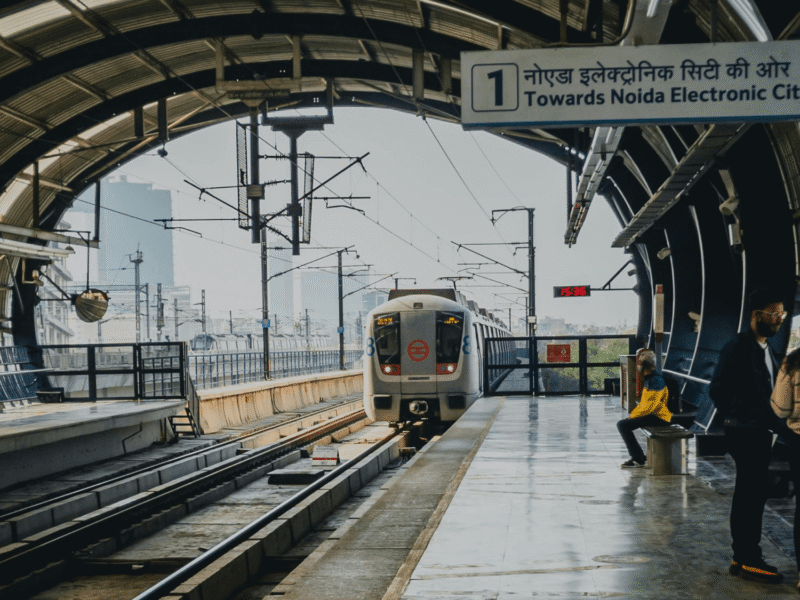
The Delhi Metro Rail Corporation (DMRC) and the Noida Metro Rail Corporation (NMRC) have transformed urban commuting in Noida, offering an efficient, eco-friendly, and cost-effective mode of transport. The metro system is a cornerstone of Noida connectivity, providing relief from traffic congestion and enhancing accessibility.
Key Metro Lines Serving Noida:
- Blue Line (DMRC): This line connects Noida City Centre and Electronic City to various parts of Delhi, including key interchange stations, thereby linking Noida residents to the broader Delhi Metro network, facilitating travel to workplaces, educational institutions, and cultural hubs across the capital.
- Aqua Line (NMRC): Managed by NMRC, the Aqua Line connects Noida Sector 51 to Greater Noida’s Delta 1. This dedicated line serves as a vital intra-city connector, enhancing mobility between residential sectors, commercial centers, and educational campuses within Noida and Greater Noida. Future expansions are planned to further integrate more sectors and even connect to the DMRC’s Blue Line extension.
These metro lines not only reduce travel time but also promote sustainable commuting, making Noida an attractive residential and business destination due to its excellent public transport infrastructure. Read more: Noida to Delhi Distance in 2026: Every Route, Time, Cost and Metro Option Compared
Noida International Airport (NIA): A Game Changer for Air Connectivity
Perhaps the most transformative project for Noida’s regional gateway status is the development of the Noida International Airport (NIA) at Jewar. This greenfield airport is set to become the second international airport in the NCR, significantly boosting air connectivity for the region.
Impact of Jewar Airport:
- Direct Air Access: For Noida residents, NIA will offer direct access to domestic and international flights, eliminating the need to travel to Delhi’s Indira Gandhi International Airport (IGIA), which is often time-consuming due to traffic.
- Economic Catalyst: The airport is expected to be a massive economic catalyst, attracting investment, generating employment opportunities in aviation, logistics, hospitality, and creating a new economic corridor along the Yamuna Expressway.
- Logistics Hub: Coupled with dedicated freight corridors, NIA will establish Noida as a significant logistics and cargo hub, beneficial for businesses and industrial units operating in the region.
- Tourism Boost: Improved air connectivity will undoubtedly boost tourism to destinations like Agra, Mathura, and even Noida itself, attracting both domestic and international visitors.
The Future of Noida Connectivity: Seamless Integration
The vision for Noida is one of seamless integration, where road, rail, and air connectivity work in harmony. Ongoing and planned projects, such as further metro extensions, new expressways, and specialized freight corridors, aim to further solidify Noida’s position as a multimodal transport hub.
- Logistics and Warehousing: Proximity to major expressways and the upcoming airport makes Noida an ideal location for logistics and warehousing operations, fostering industrial growth.
- Smart City Initiatives: Noida’s smart city initiatives often integrate advanced traffic management systems and public transport solutions, further optimizing connectivity and reducing commute times for residents.
For the residents of Noida, this strategic enhancement in connectivity means more than just easier travel; it means expanded opportunities. Access to a wider job market, better educational institutions, improved healthcare facilities, and greater social and recreational avenues are direct benefits. Noida’s deliberate focus on building a robust infrastructure positions it not just as a thriving city, but as a crucial regional gateway, linking millions and driving progress across Uttar Pradesh and the NCR. The future of Noida connectivity is bright, promising an even more integrated and prosperous urban experience.