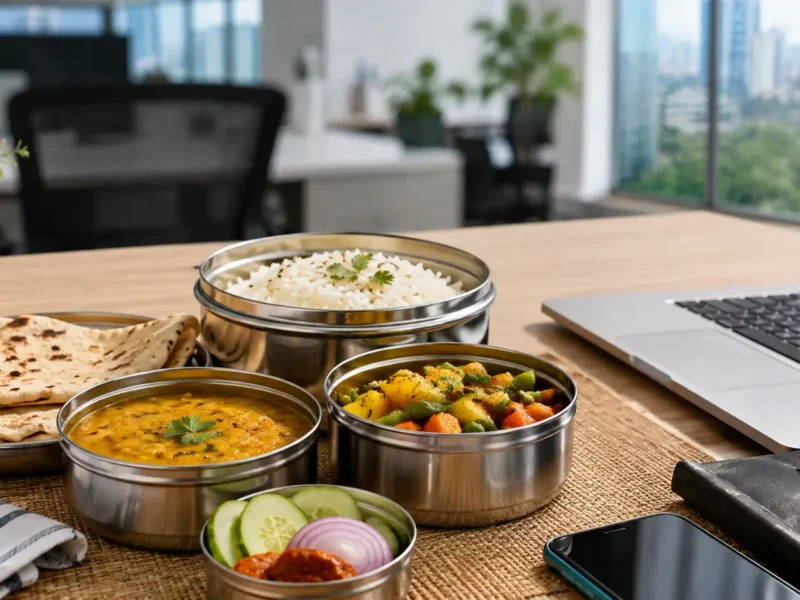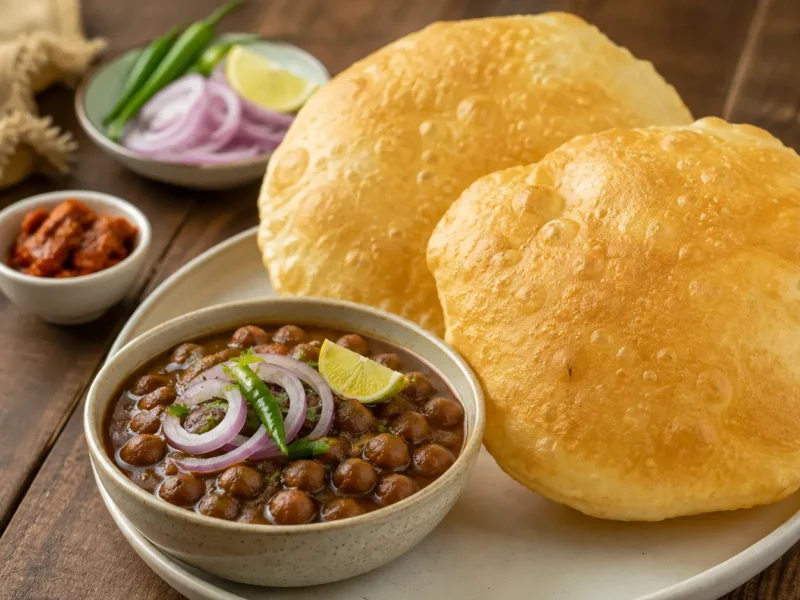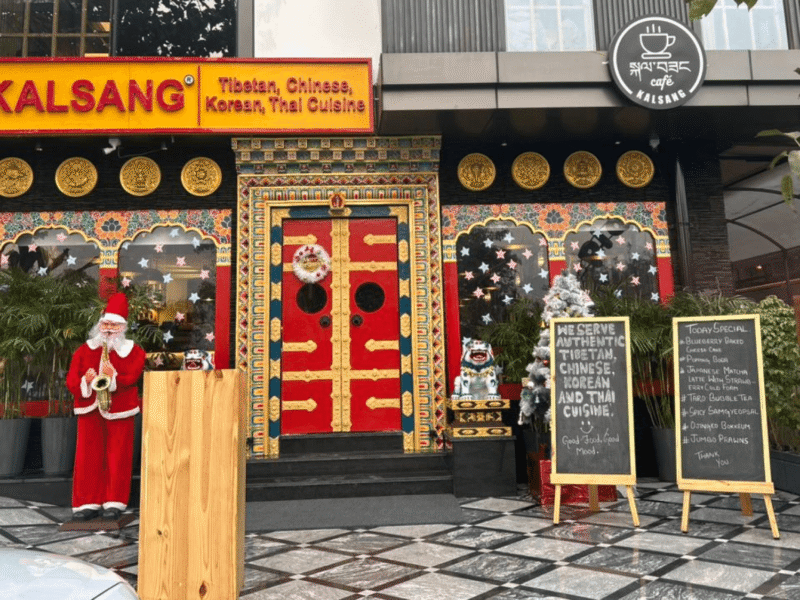
Ordering dinner from an unfamiliar name on a food-delivery app has become routine across Noida and Greater Noida. But delivery-only brands can be harder for customers to assess because there may be no restaurant frontage to recognise or visit.
There is one useful regulatory check residents can make themselves.
The Food Safety and Standards Authority of India, or FSSAI, provides a public facility for checking the authenticity and status of a food business licence or registration through its Food Safety Compliance System, FoSCoS. FSSAI says every Food Business Operator in India is required to be licensed or registered under the Food Safety and Standards Act, subject to the applicable category.
That does not tell you whether tonight’s meal will taste good, arrive fresh or was prepared hygienically at that particular moment. But it can help you check whether the regulatory identity presented by a food business corresponds with FSSAI’s records.
At a glance: what to check
Before ordering from an unfamiliar cloud kitchen or food business:
- Look for its 14-digit FSSAI licence or registration number.
- Check the number through FSSAI’s official licence-verification service or FoSCoS.
- Compare the business information shown in the official record with the outlet you intend to order from.
- Treat missing or inconsistent information as something to investigate, not automatic proof that a business is illegal.
- If you have a food-safety concern, FSSAI provides Food Safety Connect for consumer complaints.
Step 1: Find the FSSAI number
FSSAI licence and registration numbers contain 14 digits.
FSSAI states that food businesses are required to declare their licence or registration number on receipts, invoices, cash memos and bills issued on the sale of food products. FSSAI also requires the licence or registration number to be displayed at food premises.
For an online order, first check whether the number is available in the outlet information or other information presented before purchase.
If you cannot find it there, the FoSCoS public FBO Search also provides fields for searching food businesses, including by company name and licence or registration number.
Once an order has been placed, retain the invoice or receipt. Apart from being useful for your own records, it gives you another place to check the FSSAI number presented by the business.
Step 2: Verify it on the official FSSAI system
Do not rely on a number simply because it appears beside the letters “FSSAI”.
FSSAI maintains an official License Verification service that allows the public to check the authenticity and status of a food business licence or registration. The service is part of FSSAI’s current digital-services system.
Residents can also use the public FoSCoS FBO Search.
Once you search, compare the information returned by the official system with the food business you are considering.
The basic question is simple:
Does the regulatory record you found correspond with the food business presenting that FSSAI number?
If something appears inconsistent, check the number again before drawing a conclusion.
Step 3: Do not confuse “Registration” with “Licence”
A search may return a registration rather than a licence.
That alone is not evidence of a problem.
FSSAI’s regulatory framework provides for both licensing and registration of Food Business Operators, depending on the applicable category. FSSAI states that food businesses are required to be licensed or registered under the law.
For a consumer, the useful test is therefore not simply whether the record says “Licence”.
The more important questions are whether an FSSAI record exists, whether its status and identity correspond with the business, and whether the business is presenting the number accurately.
Step 4: Understand what an FSSAI check cannot tell you
This is an important limitation.
Finding a valid FSSAI licence or registration should not be treated as a PON endorsement of that kitchen or as proof that every meal prepared there is currently hygienic.
FSSAI describes its verification service as a way to check the authenticity and status of a food business licence or registration. A successful licence or registration check does not establish the current hygiene conditions inside the kitchen or the condition of a particular meal.
So a regulatory check should sit alongside ordinary consumer judgement.
Look at what actually arrives. Check whether packaging is intact, whether the delivered items correspond with your order and whether anything about the food raises an immediate safety concern.
Ratings and reviews can provide customer opinions, but they are not substitutes for an official regulatory check.
What if the number does not match?
A failed search or apparent mismatch should be treated carefully.
Do not immediately conclude that a food business is “fake”, “illegal” or “unlicensed”. A mistyped number, different legal and brand names, or another record issue may need clarification.
Instead:
Recheck the 14 digits.
Compare the information on the invoice, packaging and ordering platform.
If necessary, ask the business or platform for clarification.
And if you believe there is a genuine food-safety or regulatory problem, use an official complaint channel.
How to report a food-safety concern
FSSAI operates Food Safety Connect, a consumer-grievance system.
Its official FAQ says consumers can use the portal for concerns involving categories including packaged food, food premises and online aggregators or food-related issues. FSSAI also provides a grievance page and Food Safety Connect portal for lodging and tracking concerns.
Before filing a complaint, it is sensible to preserve whatever evidence you already have, such as:
- the order invoice or receipt;
- the FSSAI number shown by the business;
- screenshots of relevant ordering information;
- photographs of packaging or food where relevant;
- the date and approximate time of the order;
- the order ID.
These records can help you describe precisely what happened.
Why this matters more with delivery-only kitchens
Cloud kitchens are often designed around delivery rather than walk-in dining. Residents may therefore encounter a brand entirely through a phone screen.
That makes regulatory identity particularly useful.
Pulse of Noida has previously reported on the growth of delivery-only kitchens serving areas such as Sectors 137 and 143. The consumer question is different from deciding which menu looks attractive: Can you independently check the food business behind the listing?
FSSAI’s public verification tools provide a starting point.
A two-minute check before trying an unfamiliar food business
For residents experimenting with a new delivery-only kitchen, the safest routine is straightforward:
Find the FSSAI number → verify it through FSSAI/FoSCoS → compare the business details → retain the invoice → use Food Safety Connect if there is a genuine food-safety concern.
It cannot guarantee how your meal was prepared.
But it gives you something considerably stronger than relying only on a brand name, discount, star rating or photograph on an ordering app: a check against the country’s official food-business regulatory system.
Official resources
Residents can use the FSSAI Licence Verification service to check a food business licence or registration and the Food Safety Connect portal to lodge food-related grievances.
Source attribution
Controlling official source
FSSAI Licence Verification
Food Safety and Standards Authority of India
Official Licence Verification information
FSSAI describes this as a public FoSCoS facility for checking the authenticity/status of an FSSAI licence or registration.
Direct FoSCoS FBO Search
The public search interface supports licence/registration-number and company-name searches.
Additional primary sources
FSSAI registration requirement
FSSAI: Registration of Food Businesses
FSSAI states that Food Business Operators are required to be licensed or registered under Section 31 of the Food Safety and Standards Act.
FSSAI Digital Services
The current page includes License Verification among FSSAI’s public digital services.
Food Safety Display Boards
FSSAI Food Safety Display Boards
FSSAI states that displaying the licence/registration number at food premises is mandatory and that customers can verify the number on the FSSAI website.
Food Safety Connect
Food Safety Connect complaint portal
FSSAI provides this for food-related consumer grievances.