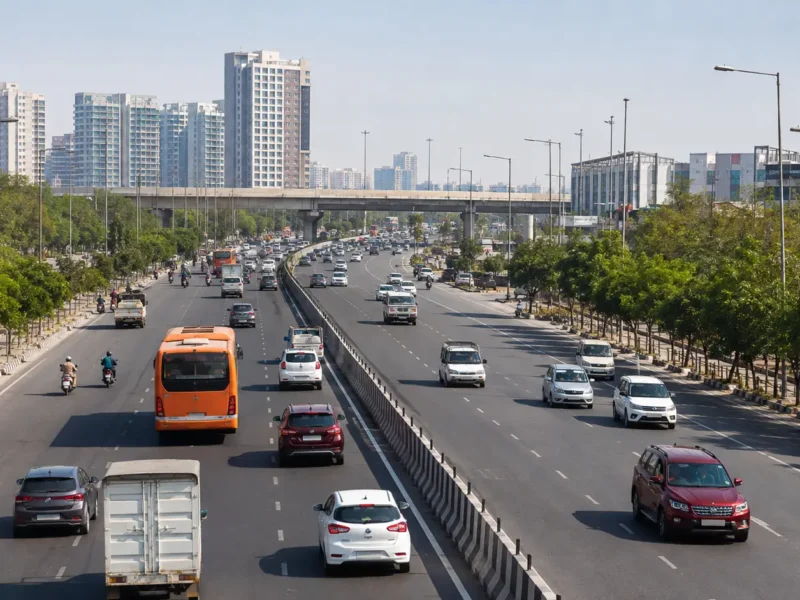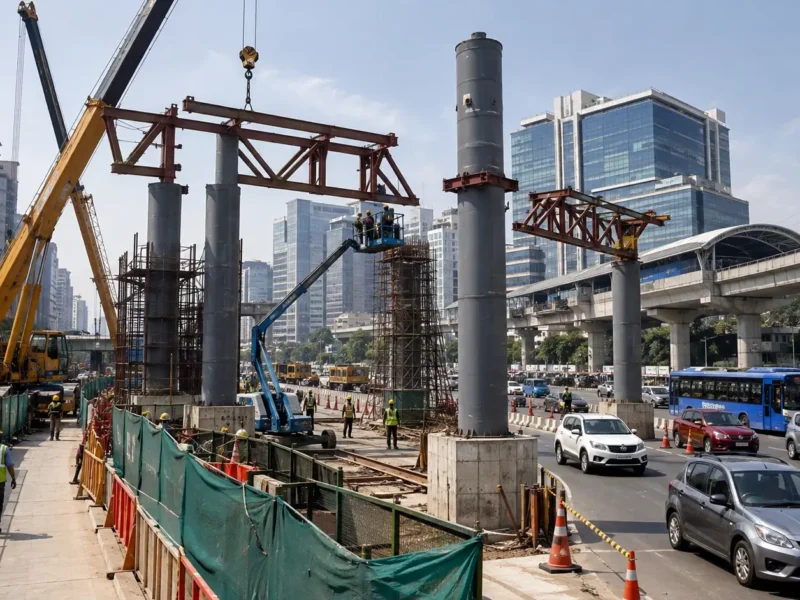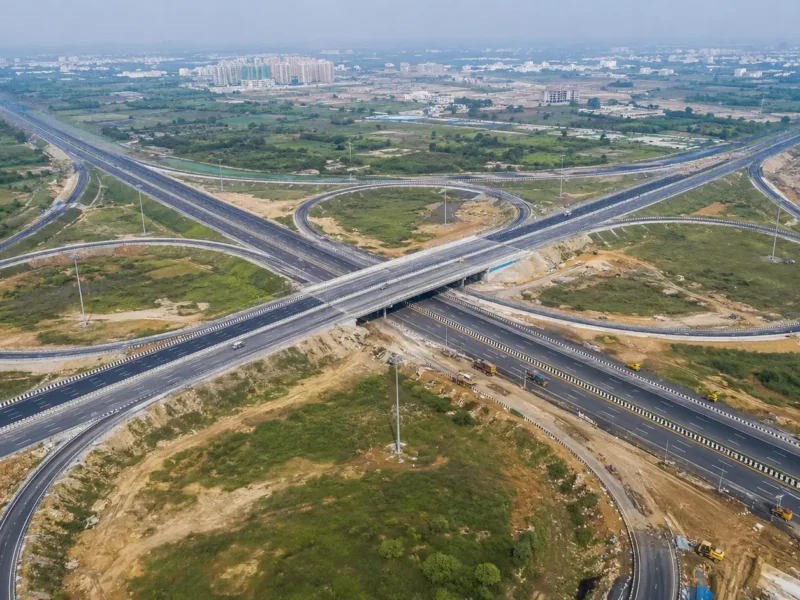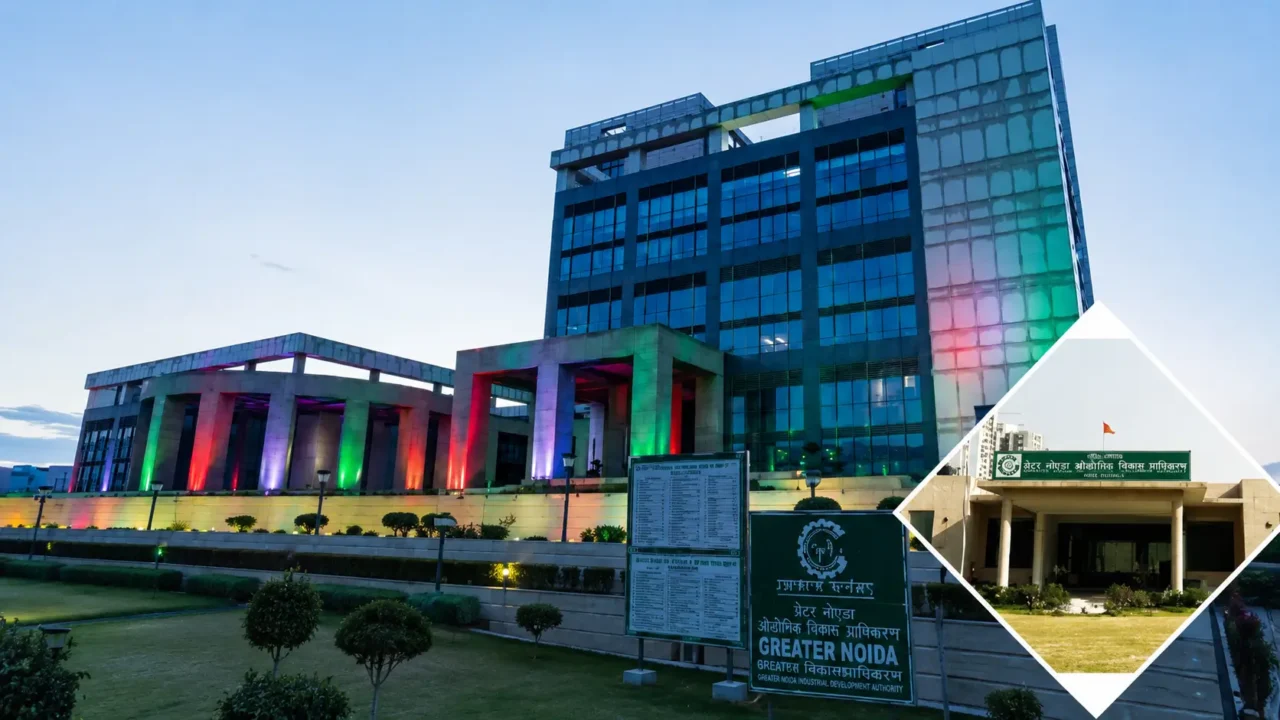
The 1.6 km, eight-lane railway overbridge on the 130-metre road is expected to ease travel between Greater Noida West and East, especially for residents heading towards civic and government offices.
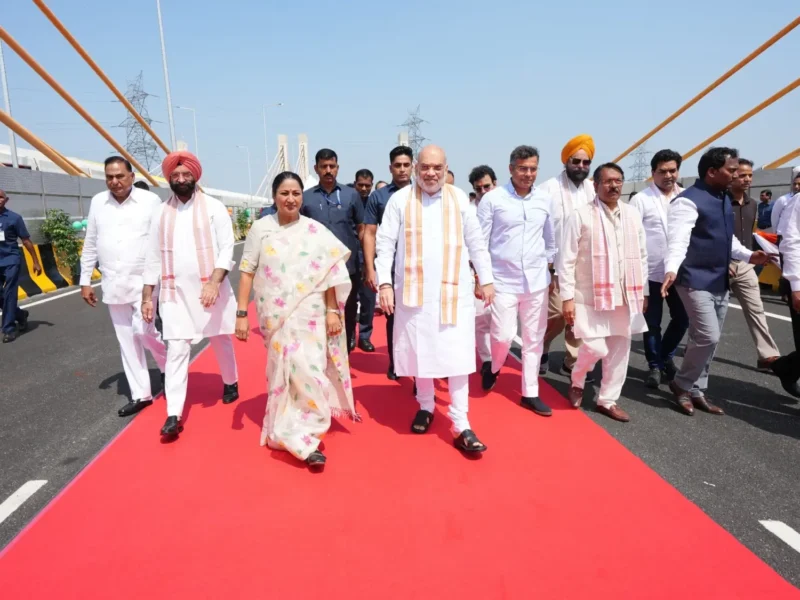
A new railway overbridge connecting Greater Noida West and East has opened for traffic, giving residents another important link across the 130-metre-wide road corridor.
The 1.6 km-long, eight-lane railway overbridge, or ROB, was opened to traffic on Tuesday, according to officials quoted by Hindustan Times. The bridge has been built to improve connectivity between the western and eastern parts of Greater Noida and reduce traffic interruptions along this stretch.
For residents of Greater Noida West, the new link matters because many daily journeys towards Greater Noida Authority office, Surajpur court complex, government offices, police offices and older Greater Noida sectors depend on this corridor.
Where is the new ROB?
The ROB is located on the 130-metre-wide road, also known as the Noida-Greater Noida Link Road. It connects the villages of Makoda and Tilapta.
The road itself is an important connection between Gaur Chowk in Greater Noida West and several areas of Greater Noida East, including Zeta 1, Eta 1, Delta 1 and the Greater Noida Authority office.
This means the bridge is not just another road project. It sits on a route that many residents use for official work, court visits, sector travel, school commutes, society-to-society movement and access to industrial and residential areas.
Who is likely to benefit?
The immediate benefit is expected for residents living in nearby housing societies and sectors that use the 130-metre road.
Officials quoted in the report said residents of societies such as Shivalik Homes Park, Ansal Housing, Paramount Golf Foreste and Migsun Green Mansion are among those likely to get relief from traffic congestion.
The bridge can also help people travelling from Greater Noida West towards:
- Greater Noida Authority office
- Surajpur court complex
- Police and government offices
- Zeta 1
- Eta 1
- Delta 1
- Industrial areas
- Older Greater Noida sectors
- Villages and local settlements near Makoda and Tilapta
For residents, the key value is smoother movement across a corridor that has long been important but often interrupted.
Why the 130-metre road matters
Greater Noida West has grown rapidly over the last decade, with large housing societies, commercial developments, schools and everyday commuter traffic.
But many residents still depend on limited east-west road connections for work, administration, legal work, school travel and access to older Greater Noida.
The 130-metre road plays a central role in this network. It connects Greater Noida West with Greater Noida’s established sectors and administrative locations. Any obstruction, congestion or railway crossing-related delay on this route affects thousands of residents.
The new ROB is expected to reduce such interruptions by allowing smoother movement over the railway section.
Built by DFCCIL
The railway overbridge has been constructed by the Dedicated Freight Corridor Corporation of India Limited, or DFCCIL, along the 130-metre road.
DFCCIL comes under the Ministry of Railways and is involved in developing the Dadri section of the Dedicated Freight Corridor in Greater Noida. Since the 130-metre road falls within the project area, DFCCIL undertook construction of the ROB, according to the report.
The project reportedly started in 2020 and was earlier targeted for completion in 2022. However, construction was delayed due to the Covid-19 pandemic.
What changes for residents?
The new ROB should make travel more predictable on this corridor.
Residents heading from Greater Noida West towards Greater Noida Authority office or Surajpur court often need reliable travel time. Delays on this route can affect court visits, public-service work, school commutes, office travel and emergency movement.
With the bridge open, commuters may see:
- Reduced interruption near the railway section
- Smoother movement between Greater Noida West and East
- Better access to civic and administrative offices
- Relief for nearby societies
- More predictable travel on the 130-metre road
However, actual benefit will depend on traffic management, road surface condition, signages, drainage and how the approach roads handle peak-hour movement.
Monsoon waterlogging remains a concern
One important issue remains.
According to the report, there is an underpass beneath the ROB that often faces waterlogging during the monsoon. This means residents should still remain cautious during heavy rain.
The new bridge may improve main-road movement, but drainage and waterlogging management will remain important for the full corridor.
For Greater Noida residents, this is a familiar issue. Several infrastructure stretches in the region work well in normal weather but become difficult during the monsoon because of water accumulation, broken approach roads or poor drainage.
Why this is not just a bridge story
This story matters because Greater Noida’s daily life depends heavily on connectivity between its fast-growing residential pockets and its administrative, legal and employment centres.
Greater Noida West has many residents, but several key offices and older institutional hubs are still located towards Greater Noida East and Surajpur side. Better east-west connectivity can reduce travel stress for residents who need to visit these places regularly.
The ROB also fits into a larger pattern: as Greater Noida West grows, residents need more dependable links to metro stations, court complexes, offices, schools, hospitals and markets.
What commuters should check
Residents using the route should check the following over the next few days:
- Whether both carriageways are fully open
- Whether traffic police have deployed management at approach points
- Whether signages are clear
- Whether Google Maps and other navigation apps show the route correctly
- Whether there are bottlenecks near Makoda or Tilapta
- Whether the underpass below the ROB remains usable during rain
- Whether peak-hour travel time actually improves
PON will track ground-level resident feedback as the route settles into regular use.
The bottom line
The opening of the 1.6 km ROB on the 130-metre road is a useful infrastructure update for Greater Noida West and East.
It should help residents who regularly travel between high-density housing societies in Greater Noida West and administrative or civic destinations in Greater Noida East.
But the real test will be daily use: peak-hour traffic, monsoon drainage, approach-road management and whether residents actually see reduced travel time.
For now, the ROB gives Greater Noida residents one more important link in a city where connectivity is becoming central to quality of life.
Source of Information
This report is based on official statements quoted in a Hindustan Times report published on June 24, 2026, regarding the opening of a 1.6 km railway overbridge on the 130-metre road connecting Greater Noida West and East. Pulse of Noida will update the story if additional information is released by Greater Noida Authority, DFCCIL or traffic police.