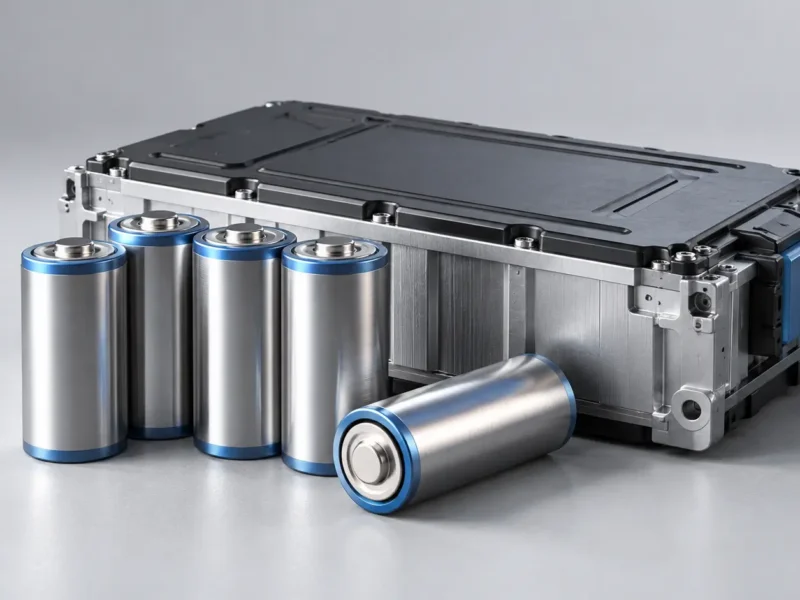
Noida’s electric vehicle plan aims to make the city’s air cleaner and daily travel cheaper for citizens by adding many new charging and battery swapping points in the coming years. National guidelines and central government schemes support this move and help cities like Noida build more public charging stations.
Noida’s EV Plan
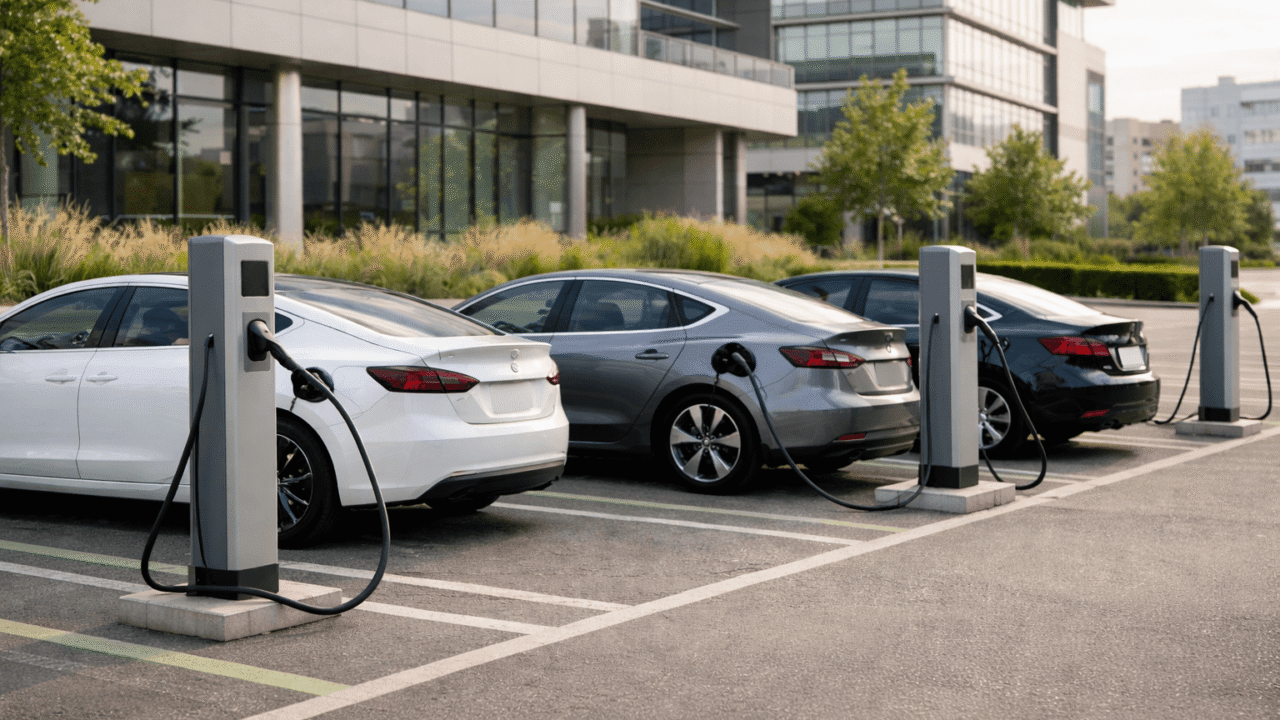
The Noida Authority has decided to expand EV charging in the city, with a focus on public spaces, offices and housing areas. The aim is to reduce pollution from petrol and diesel vehicles and give people a simple way to shift to electric vehicles.
According to reports, Noida is planning around 150 EV charging stations and 13 battery swapping stations in different parts of the authority area. This will support office commuters, e‑rickshaws, delivery riders and residents who want to buy an EV but worry about where to charge.
Noida’s long-term urban planning vision as a planned city
Support From Government Of India
The Government of India has made special rules and schemes to support EV charging across the country. The Ministry of Power issued “Guidelines for Installation and Operation of Electric Vehicle Charging Infrastructure 2024” that tell cities how to set up public charging and battery swapping stations, including on highways and in urban areas.
The Press Information Bureau (PIB) has also shared updates about EV promotion and charging stations, including the PM E‑DRIVE scheme and support for thousands of public chargers across India. These guidelines say that setting up an EV charging station is an unlicensed activity, which means private companies and entrepreneurs can also install chargers easily.
Waste management and pollution control initiatives
How This Helps People In Noida
More public charging stations will make it easier for families to shift from petrol or diesel cars to electric cars, because they will not depend only on home charging. For people living in apartments, shared chargers in society parking areas or nearby public points will be very important.
For delivery riders and e‑rickshaw drivers, battery swapping stations will save time and money, because they can replace an empty battery with a full one in a few minutes and get back to work quickly. Lower fuel cost per kilometre can increase their daily income and reduce noise and smoke on Noida’s roads.
Citizens And Officials As Change Makers
Noida’s EV push is not only a government project; it also depends on citizen support. RWAs, school managements and office parks are being encouraged to add EV points in their parking areas and to promote cleaner travel during periods of very poor air quality, as seen under GRAP rules.
Officials from the Noida Authority have asked departments to replace their own vehicles with EVs or hybrid vehicles and to push businesses and institutions to adopt electric fleets where possible. When administration and residents move together in this way, Noida can become a leading clean mobility city in NCR and set an example for nearby districts.
Road safety and responsible driving habits across Noida
Sources:
- Ministry of Power, Government of India – Guidelines for Installation and Operation of Electric Vehicle Charging Infrastructure, 2024 (No. 12/2/2018‑EV, 17 September 2024).
- Press Information Bureau (PIB), Government of India – Press releases on promotion of EVs and installation of EV charging stations, 2023–2025 (including PRID: 2204630 and related updates).
- Energy Efficiency Services Limited (EESL) – Agreement and updates on installation of EV charging units and related infrastructure in Noida.
- Invest UP / Government of Uttar Pradesh – Documents and presentations on EV charging stations and FAME-linked projects in the state.
- NITI Aayog – Electric Vehicle Charging Infrastructure and its Grid Integration report and related EV policy documents for India.