Last reviewed: April 2026
- Noida and Greater Noida traffic enforcement relies heavily on camera-based monitoring and digital challan systems.
- Speed limits differ by corridor, and temporary winter fog advisories can further reduce the permitted maximum speed.
- Traffic challans can be checked and paid online through the official Parivahan eChallan portal.
Navigating Noida’s Roads: What Drivers Need to Know
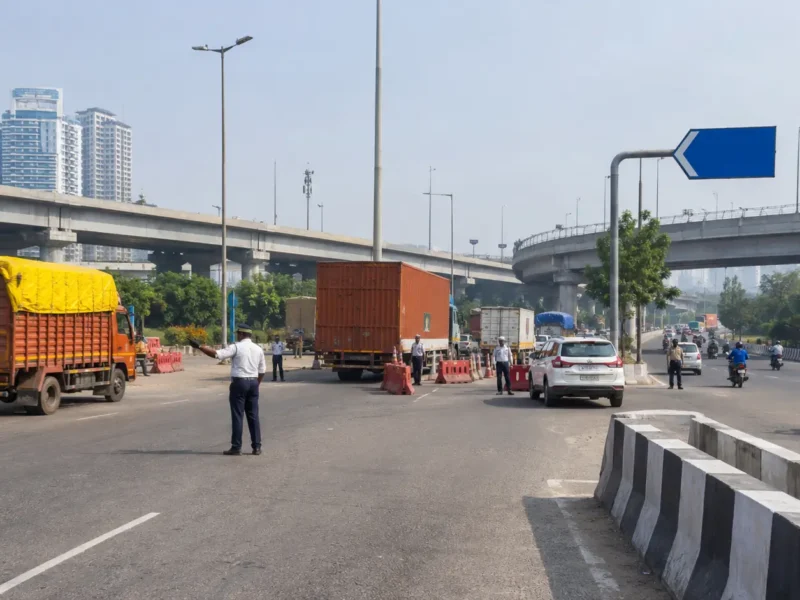
Noida’s road network includes internal sector roads, elevated corridors, the Noida-Greater Noida Expressway, and links toward the Yamuna Expressway. Because these corridors serve different traffic conditions and vehicle volumes, the applicable speed limits and enforcement intensity can vary significantly. For drivers in Gautam Buddha Nagar, understanding these differences is essential for both road safety and challan avoidance.
This guide explains how speed enforcement works in Noida, what kinds of violations commonly trigger challans, and how to check or pay an e-challan online using official government systems.
Speed Limits in Noida and Greater Noida
Drivers should always follow the road signage placed on the specific corridor they are using. In practice, the highest permitted speeds are generally seen on major expressway stretches, while elevated roads and internal city roads operate at much lower limits. Recent winter advisories issued for Gautam Buddha Nagar also confirm that the standard expressway limits are reduced during fog season for safety reasons.
- Noida-Greater Noida Expressway and Yamuna Expressway: For light vehicles, the usual upper limit is generally treated as 100 km/h, while heavy vehicles are typically restricted to 80 km/h. During the winter fog-control period from mid-December to mid-February, Gautam Buddha Nagar Traffic Police has recently reduced these limits to 75 km/h for light vehicles on the affected expressway stretches, with lower limits for heavy vehicles.
- Noida Elevated Road and similar urban elevated corridors: These stretches are typically governed by lower urban safety limits than expressways. Drivers should follow the posted signs on the corridor in use, especially during winter advisory periods when reduced limits may also apply.
- Internal city roads and sector roads: These roads operate under lower urban traffic limits and require close attention to signboards, crossings, and local enforcement conditions.
Important note: Seasonal speed advisories in Gautam Buddha Nagar are usually issued separately during fog-prone months. Drivers should not assume that the same limit applies throughout the year across all corridors.
How Traffic Cameras and E-Challan Enforcement Work
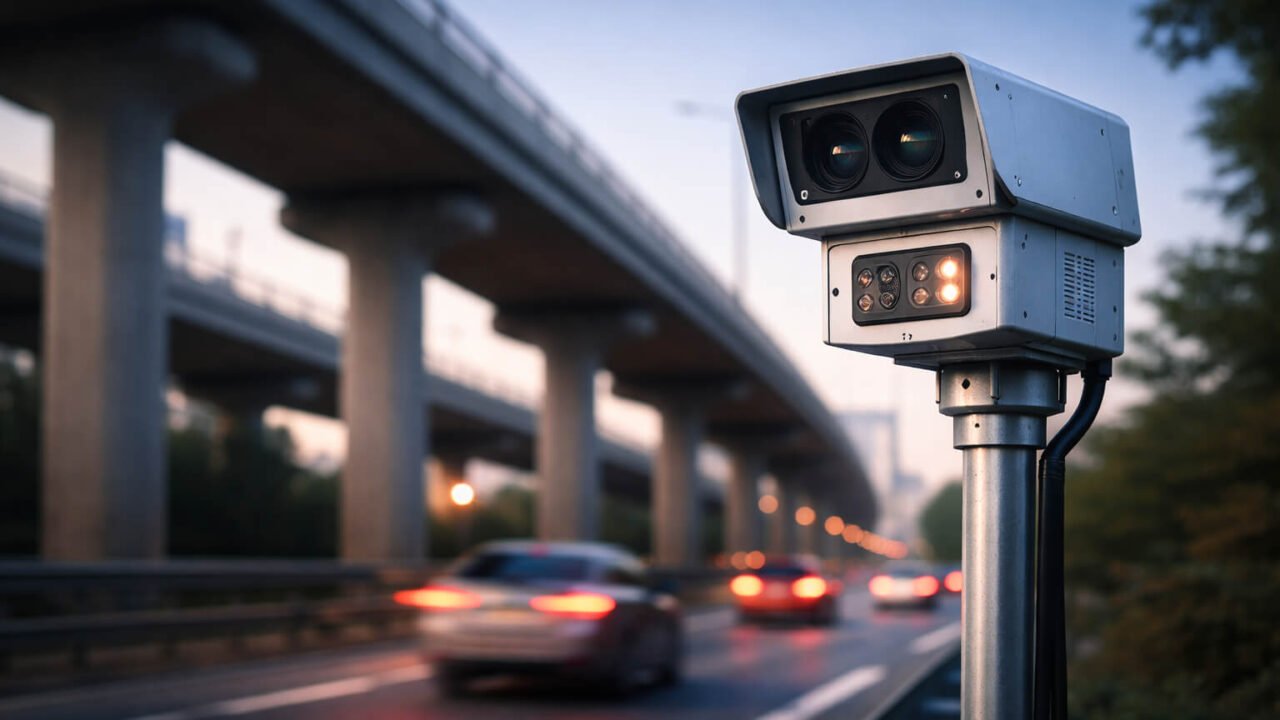
Noida Traffic Police uses digital traffic enforcement systems along with traffic monitoring infrastructure to identify violations and process challans. The official Parivahan eChallan system is the government-backed platform through which challan records can be viewed and, where eligible, paid online. Uttar Pradesh Police also directs citizens to the traffic challan services through its official traffic portal.
In practical terms, camera-based enforcement is used for violations such as overspeeding and signal-related offences on monitored corridors. Once a challan is generated, the vehicle owner can check its status through the official portal using the vehicle number, challan number, or driving licence number.
Common Violations That Can Lead to a Challan
Overspeeding remains one of the most common causes of automated challans in Gautam Buddha Nagar, especially on monitored high-speed corridors. In addition, challans may also arise from red-light violations, helmet and seatbelt non-compliance, document-related offences during manual enforcement, and other traffic-rule breaches captured through digital or physical enforcement.
- Overspeeding: Particularly relevant on monitored expressway and elevated-road stretches.
- Signal violations: Red-light jumping remains a common urban enforcement category.
- Helmet and seatbelt violations: These continue to attract enforcement across city roads.
- Driving without valid documents: Licence, registration, insurance, and PUC-related violations can lead to challans during checking drives.
How to Check and Pay a Noida Traffic Challan Online
The official route for checking or paying a traffic challan online is the Government of India’s Parivahan eChallan portal. The portal allows users to search by challan number, vehicle number, or driving licence number, and it also supports online payment for eligible challans.
- Go to the official portal: echallan.parivahan.gov.in.
- Open the challan status section and enter your vehicle number, challan number, or driving licence number.
- Review the violation details shown on the portal. These may include the date, location category, challan number, and payment status.
- If the challan is payable online, use the official payment option on the portal to complete the transaction.
- Save the payment receipt for your records after successful settlement.
What to Do If You Want to Dispute a Challan
If a driver believes a challan has been issued incorrectly, the safest first step is to verify the record on the official Parivahan portal and then reach out through official traffic police channels. Noida Traffic Police maintains an active official presence on X, and UP Police also routes citizens toward official traffic services through its web infrastructure.
When raising a dispute, keep the challan number, vehicle details, and any supporting context ready. Use only official channels and avoid relying on third-party payment or grievance sites unless they are clearly linked from a government platform.
What Noida Drivers Should Keep in Mind
For most drivers, the biggest mistake is assuming that one speed rule applies across all roads in Noida. In reality, corridor-specific signage, temporary traffic advisories, and seasonal fog-related restrictions all matter. The safest approach is to follow on-road signage, maintain valid vehicle documents, and check challans only through official government portals.
Editorial Disclaimer: This guide is intended for educational and informational purposes only. Traffic rules, challan procedures, and advisory speed limits may change over time. Drivers should follow posted signage on the road and verify challan details only through the official Parivahan and Uttar Pradesh Traffic Police platforms before making any payment or representation.