The Union Cabinet has approved the Noida Metro Aqua Line extension from Botanical Garden to Sector 142, a project expected to improve connectivity along the Noida-Greater Noida Expressway corridor.
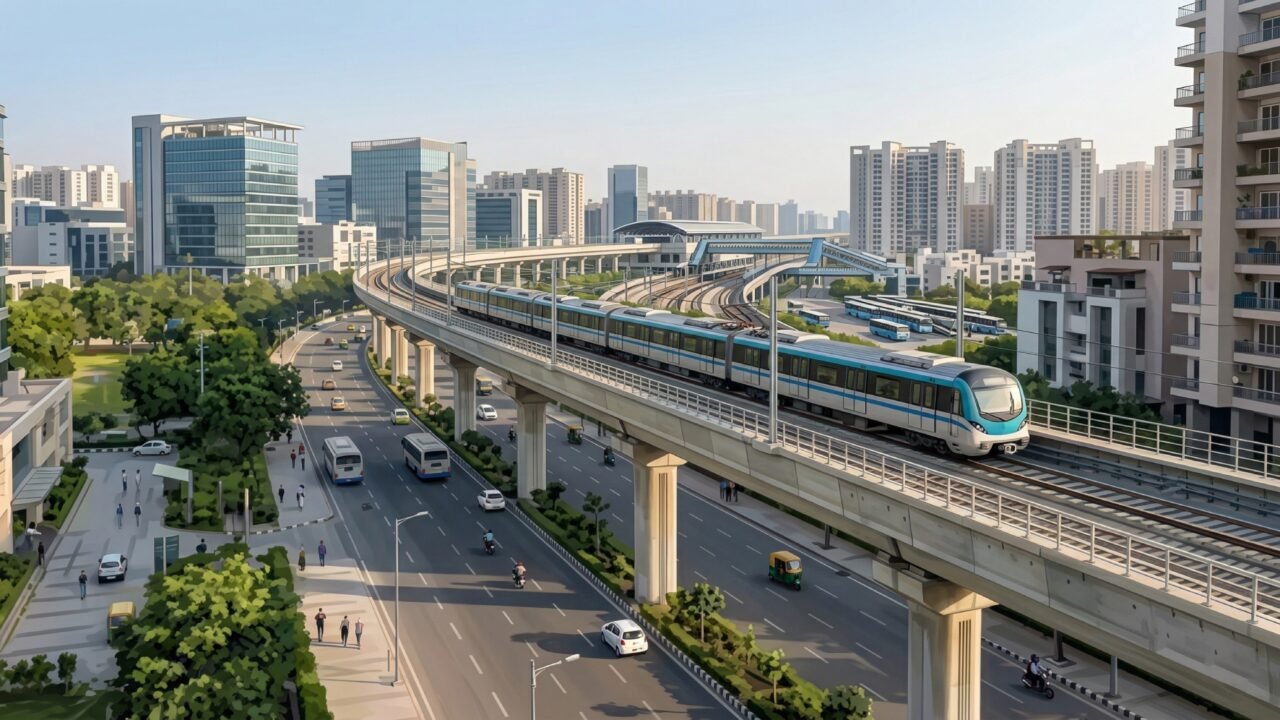
According to the Press Information Bureau, the approved corridor will be 11.56 km long, fully elevated, and developed by the Noida Metro Rail Corporation (NMRC). The project is expected to add eight stations and strengthen links between Noida, Greater Noida and Delhi through a major interchange at Botanical Garden.
What has been approved
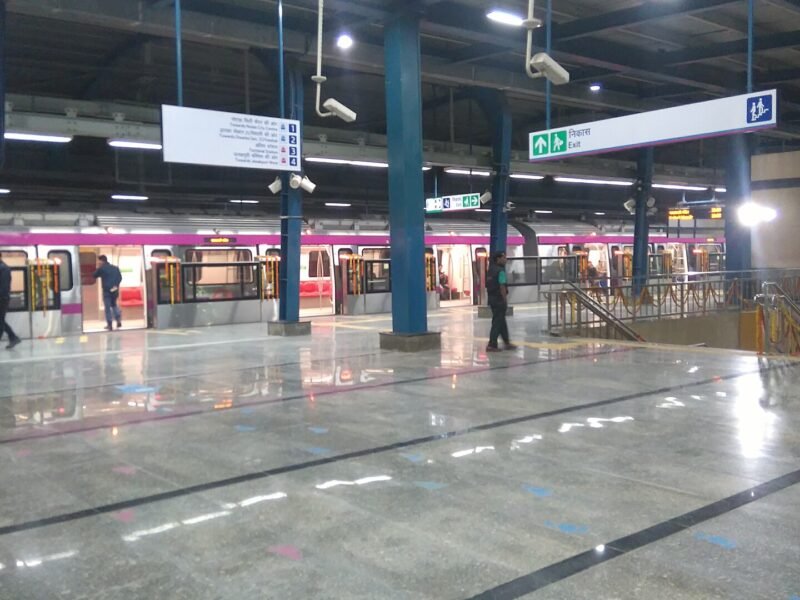
The approval covers the extension of the Aqua Line from its current network to Botanical Garden, one of Noida’s most important interchange points. This is significant because Botanical Garden already connects with Delhi Metro’s Blue Line and Magenta Line, making it a key multi-line junction for NCR commuters.
For daily passengers, this means the Aqua Line will no longer remain relatively isolated from the larger Delhi Metro network. Once completed, the extension is expected to make route changes easier for people travelling between Greater Noida, Noida Expressway sectors, central Noida and Delhi.
Route and proposed stations
The approved extension will run from Botanical Garden to Sector 142 along the Noida-Greater Noida Expressway side of the city. According to the official approval, the corridor will be 11.56 km long and will include eight proposed stations.
Detailed station-level execution and final implementation updates are expected to become clearer as the project moves forward through NMRC and related agencies. For now, the broader commuter takeaway is clear: this corridor is designed to improve access along the Expressway belt and strengthen Noida’s integration with the wider NCR metro network.
Why Botanical Garden matters
The most important part of this approval is not only the corridor length but the Botanical Garden interchange. For many residents, this is the real value of the project.
Botanical Garden connects to:
- the Blue Line, which links Noida with East Delhi, Central Delhi and Dwarka, and
- the Magenta Line, which improves access towards South Delhi and other key NCR routes.
That means commuters from the Aqua Line side of Noida and Greater Noida will eventually get smoother access to the wider Delhi Metro network without depending as heavily on road-based transfers.
What this means for commuters
- Better interchange: Aqua Line users will get direct access to Botanical Garden, one of Noida’s biggest metro hubs.
- Improved Noida Expressway connectivity: sectors along the corridor are expected to benefit from stronger public transport access.
- Reduced road dependence: over time, the extension could ease pressure on daily road commutes for office-goers and residents.
- More seamless NCR movement: the extension improves the link between Noida, Greater Noida and Delhi’s wider metro network.
Project timeline
As per the official approval, the implementation timeline for the project is 48 months. That makes this a medium-term infrastructure project rather than an immediate operational change.
In other words, commuters should see this as a major approved upgrade to the city’s future transport network, but not as a line that will open in the next few months. Construction, station development and system work will still take time.
Why this is important for Noida
Noida’s growth has increasingly shifted towards the Expressway corridor, with more housing, office spaces, schools and institutional developments spreading southward. Public transport connectivity has not always kept pace with that expansion.
This extension is therefore important not just as a new metro line segment, but as a structural improvement in how the city connects internally and with Delhi. For many residents, especially office-goers and frequent metro users, this will be one of the most relevant infrastructure approvals to watch in the coming years.
For readers tracking broader commuter and city utility changes, you can also read our guide to Noida to Delhi commute options.
Official and source links
Note: The corridor has been officially approved, but station-level execution details and construction milestones will become clearer in later implementation updates from NMRC and related government agencies.