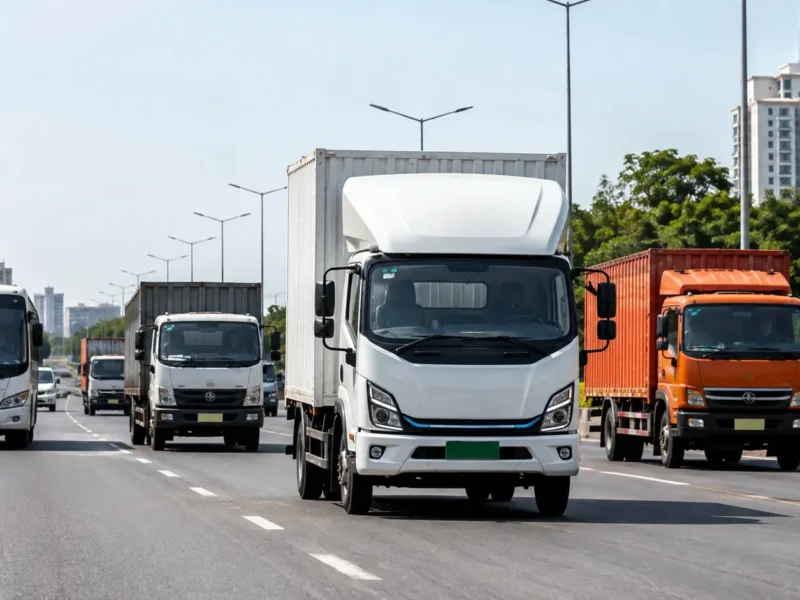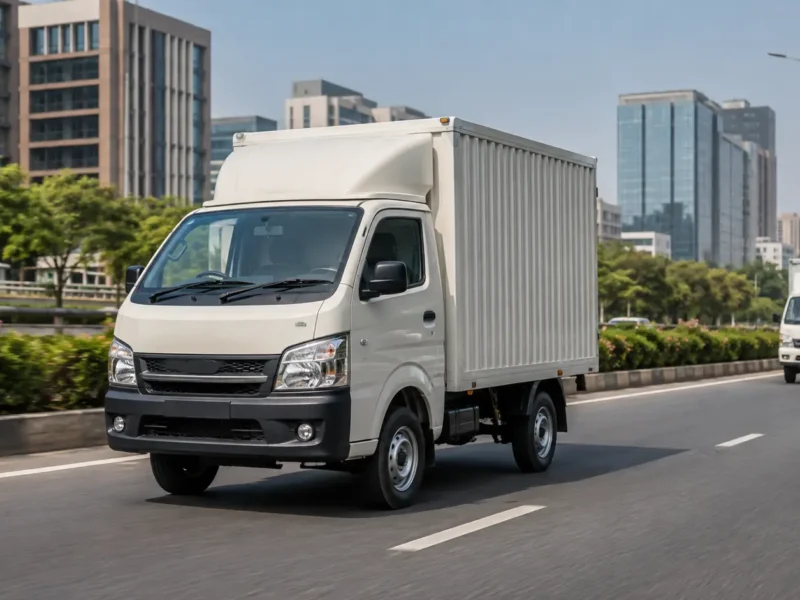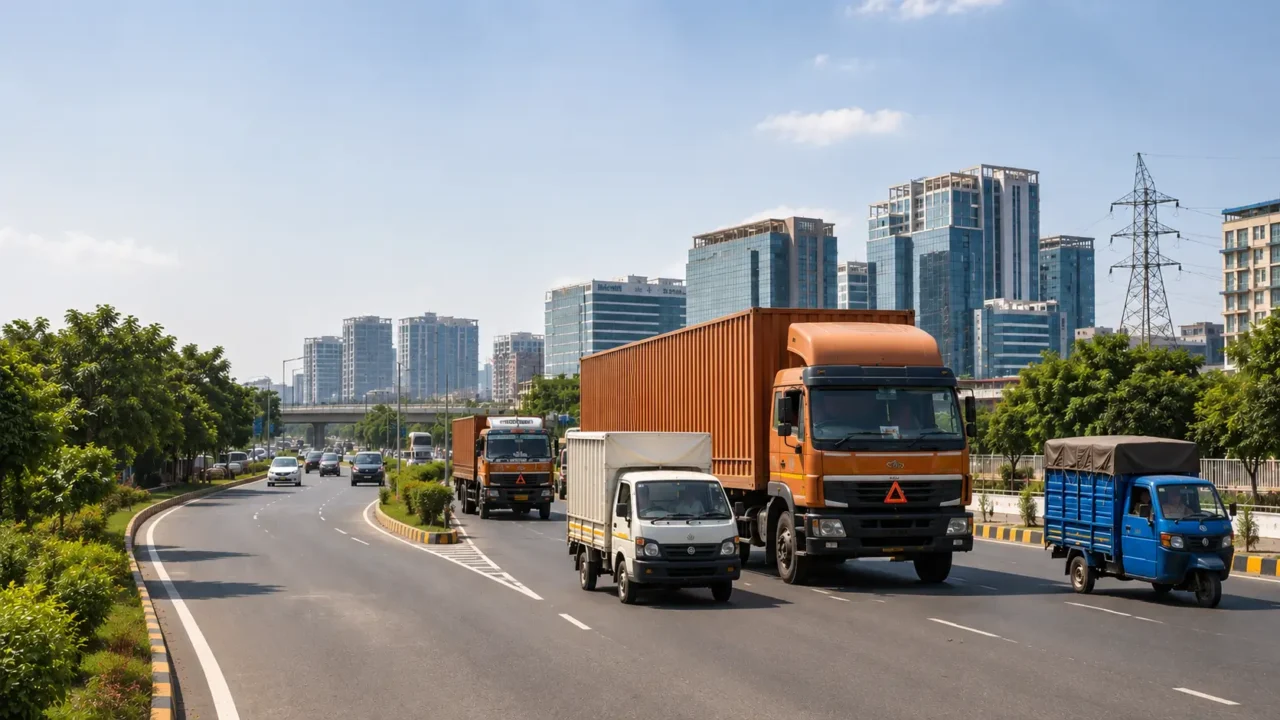
Noida’s traffic problem is not only about office rush, private cars, metro gaps or expressway congestion. A large part of the pressure on the city also comes from freight movement: trucks, delivery vehicles, industrial transport, warehouse traffic, loading activity and last-mile logistics.
That is why Noida’s proposed City Logistics Plan matters.
The Noida Authority has issued an official RFP for the preparation of a City Logistics Plan for Noida. The objective is to study how goods move through the city and then prepare a more organised framework for freight movement, logistics facilities, truck routes, loading zones and related infrastructure.
For residents, this may sound like a technical planning exercise. But its impact can be very practical. A better logistics plan can reduce road bottlenecks, improve truck movement, prevent random parking of goods vehicles, support industrial areas, improve delivery efficiency and reduce unnecessary emissions.
With Noida’s industrial sectors, warehousing demand, e-commerce movement and airport-linked cargo expected to grow, the city needs a clearer plan for how goods will move without worsening everyday traffic.
What Is a City Logistics Plan?
A City Logistics Plan, or CLP, is a planning framework for managing freight movement inside an urban area. It looks at how goods enter, move through and exit a city.
This includes truck movement, delivery routes, loading and unloading points, parking locations, industrial logistics, warehousing areas, transport restrictions, last-mile delivery and digital systems that can improve coordination.
The Department for Promotion of Industry and Internal Trade, under the Ministry of Commerce and Industry, has been pushing city-level logistics planning as part of India’s wider logistics reform agenda. The national approach focuses on creating an integrated, efficient, reliable, sustainable and cost-effective logistics network.
For Noida, this becomes especially important because the city is both a residential hub and an industrial-commercial centre. It has IT parks, manufacturing units, electronics clusters, export-oriented businesses, warehousing needs, major roads, metro corridors and proximity to the Delhi border.
The upcoming logistics plan is expected to study these realities together instead of treating truck traffic, delivery vans and industrial movement as isolated issues.
Also read: Railway Board NOC for Greater Noida West Metro: What It Means for Residents
Why Noida Needs This Now
Noida has grown rapidly over the past two decades. The city now has dense residential sectors, expressway-linked offices, industrial areas, markets, schools, hospitals, malls and fast-growing peripheral zones.
This has created competing demands on the same road network.
A road that serves office commuters in the morning may also carry school traffic, delivery vans, construction vehicles, industrial trucks and app-based delivery fleets. In some areas, poorly managed freight movement can lead to roadside parking, blocked service lanes, unsafe turns, congestion near industrial gates and conflicts with residential traffic.
Noida’s Master Plan 2031 also recognises the city’s future growth needs across land use, transport and infrastructure. A dedicated logistics plan can help align freight movement with that larger development direction.
The timing also matters because Noida is becoming more connected to larger regional infrastructure. The Noida International Airport, Yamuna Expressway corridor, Dadri logistics ecosystem and industrial growth in nearby areas are likely to increase the volume of cargo and goods movement in the wider region.
Without planned freight routes and logistics infrastructure, that growth could add pressure to city roads.
What the Plan Is Expected to Study
The City Logistics Plan is expected to examine how freight currently moves in Noida and what needs to change.
Based on the official Noida Authority RFP for selection of a consultant for preparation of the City Logistics Plan, the exercise is intended to study logistics requirements and recommend planning interventions for the city.
The plan may cover:
- Existing freight movement patterns
- Industrial and commercial logistics demand
- Truck routes and goods vehicle movement
- Loading and unloading locations
- Warehousing and storage requirements
- Parking needs for goods vehicles
- Last-mile delivery pressure
- Connectivity with major roads and regional corridors
- Emissions and sustainability concerns
- Institutional coordination for implementation
For a city like Noida, these issues are not abstract. They directly affect residents who deal with road congestion, delivery traffic, blocked lanes and poor last-mile planning.
How Residents Could Be Affected
For residents, the biggest benefit of a good logistics plan would be smoother road use.
If truck routes are planned better, heavy vehicles can be directed through more suitable corridors. If loading and unloading areas are identified properly, market roads and service lanes may face less obstruction. If parking spaces for goods vehicles are planned, random roadside parking may reduce.
A well-designed plan can also help separate freight-heavy movement from residential traffic where possible.
This is especially important around industrial sectors, markets, institutional areas and busy road corridors. Residents may not see the plan directly, but they may feel its impact through better road discipline, fewer bottlenecks and more predictable movement of goods vehicles.
Another important area is e-commerce and app-based delivery. Noida’s homes, offices and societies depend heavily on fast deliveries. But last-mile delivery also brings a large number of two-wheelers, vans and small goods vehicles into residential sectors. A city logistics plan can help create a more organised approach to this movement.
The Airport Cargo Link
The logistics plan also has a future-facing role.
Noida International Airport is expected to change the wider mobility and cargo landscape of Gautam Budh Nagar and the Yamuna Expressway region. Even if cargo movement does not pass through central Noida in every case, the airport will increase the importance of planned logistics corridors, warehousing zones and industrial connectivity.
The larger logistics ecosystem around Dadri, Greater Noida and the Yamuna Expressway corridor is already important in state and national planning. DPIIT logistics documents mention major regional logistics infrastructure such as Dadri and Greater Noida-linked industrial and transport assets.
For Noida, this means the city cannot plan traffic only from a commuter point of view. It also has to plan for goods movement, airport-linked supply chains, industrial freight and regional connectivity.
Also read: Sector 94 to Gharbara Road Corridor: The Yamuna Route That Could Change Jewar Airport Travel
Why It Matters for Pollution and Road Safety
Freight movement also has an environmental angle.
Poorly managed truck routes, long idling times, repeated detours and congestion can increase fuel use and emissions. If goods vehicles wait on roads because parking or loading facilities are inadequate, the impact is felt in air quality and road safety.
A better logistics plan can support cleaner movement by reducing unnecessary travel, improving routing and creating better freight infrastructure.
Road safety is another issue. Heavy vehicles sharing narrow or busy stretches with cars, two-wheelers, school buses and pedestrians can create risk. Planned truck routes, designated loading points and better enforcement can reduce such conflicts.
What Needs to Be Watched
The City Logistics Plan will matter only if it moves beyond paperwork.
For residents, the key questions are:
- Which roads will be identified as freight corridors?
- Will truck parking and loading zones actually be created?
- Will industrial sectors get better freight access?
- Will residential sectors be protected from unnecessary heavy vehicle movement?
- Will e-commerce and last-mile delivery be planned properly?
- Will enforcement improve after the plan is prepared?
- Will the plan coordinate with Delhi border restrictions, expressway traffic and airport-linked cargo movement?
Another important question is whether residents, RWAs, industrial associations, transporters, logistics companies and market bodies will all be consulted. A logistics plan cannot work if it only studies maps and traffic counts. It also needs ground feedback from people who use and manage these roads daily.
What Happens Next
The Noida Authority’s official RFP process shows that the city has moved toward preparing a formal logistics plan. The next important steps include consultant-related updates, baseline surveys, stakeholder consultations, draft recommendations and implementation planning.
Once the draft plan is prepared, residents should look for practical recommendations rather than broad promises.
The real value will lie in specific changes: dedicated freight routes, loading zones, truck parking, route timings, digital monitoring, industrial sector plans, last-mile delivery management and coordination with regional infrastructure.
For Noida, this is not just a transport document. It is part of how the city prepares for its next phase of growth.
If done well, the City Logistics Plan could help Noida manage trucks, deliveries, industrial freight and airport-linked cargo without allowing them to overwhelm daily urban life.
If done poorly, it may remain another planning file.
For residents, the issue is simple: Noida cannot become a larger economic hub unless it also becomes better at moving goods without choking its own roads.
Sources
Noida Authority RFP for Selection of Consultant for Preparation of City Logistics Plan for Noida; Noida Master Plan 2031; Department for Promotion of Industry and Internal Trade documents on city logistics planning; National Logistics Policy and PM GatiShakti-linked logistics planning material.